
EBOOT 30 Pieces Photoresistor
4.6Editor score
Large quantity pack
Low cost per unit
Standard 5mm size
This guide compares the top ten light sensor for Arduino modules including LDR, photodiode, and BH1750 types for accurate ambient light detection.
Finding the right light sensor for Arduino projects requires understanding different technologies like LDRs, photodiodes, and digital modules. Each type offers unique benefits for detecting ambient light levels in various environments. Choosing the correct sensor ensures your automation and control systems work reliably.
We evaluated ten popular options based on accuracy, ease of use, power requirements, and compatibility with common microcontrollers. Our comparison includes budget-friendly analog modules and precise digital sensors for advanced applications. This list helps you select the best component for your specific development needs.
Each pick shows key features, ratings, and real-world performance details to guide your purchase decision effectively. Remember that product availability and pricing can change frequently on retail platforms. Always verify current stock and shipping options before finalizing your order for your next build.
4.6Editor score
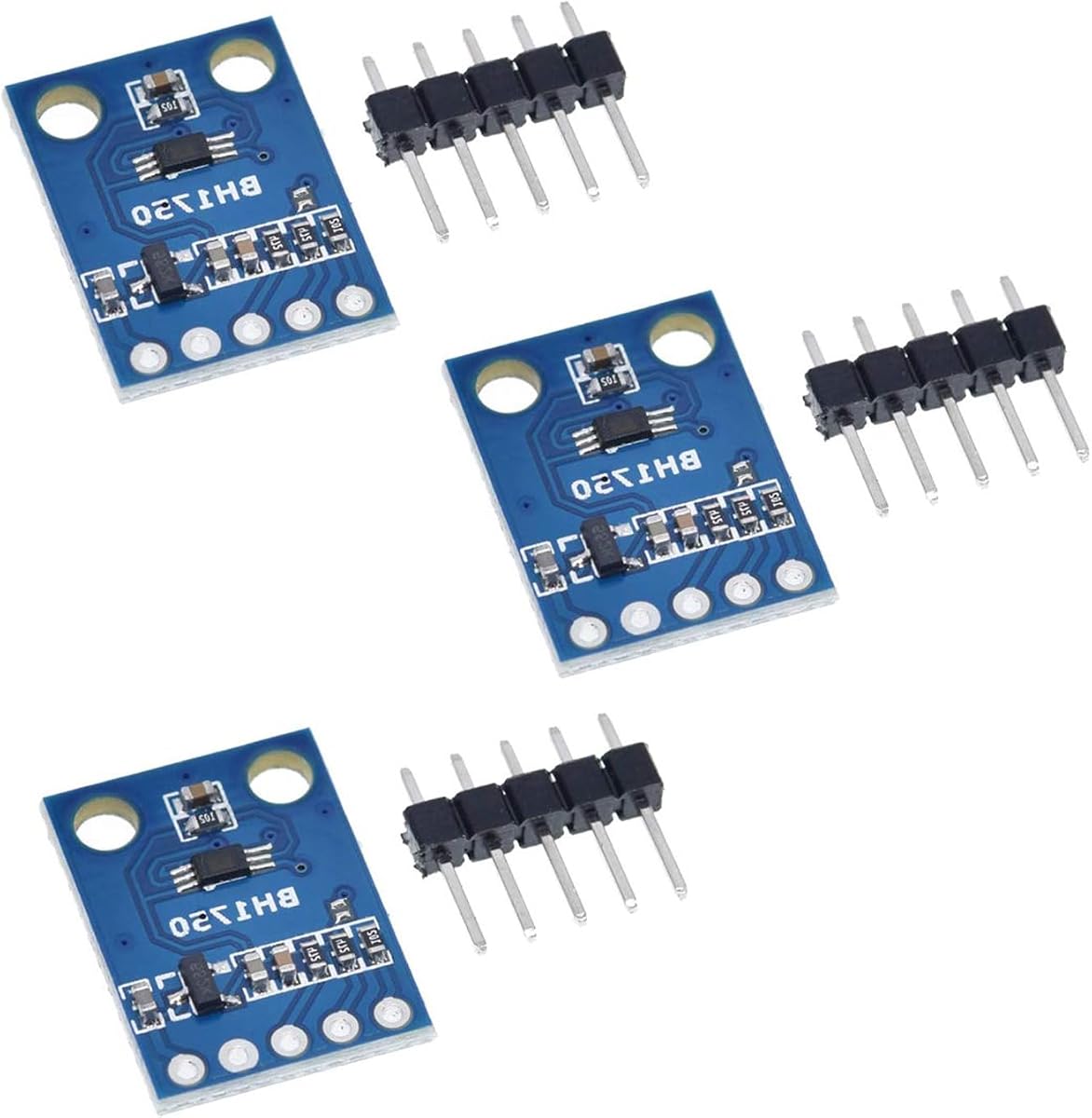
4.7Editor score
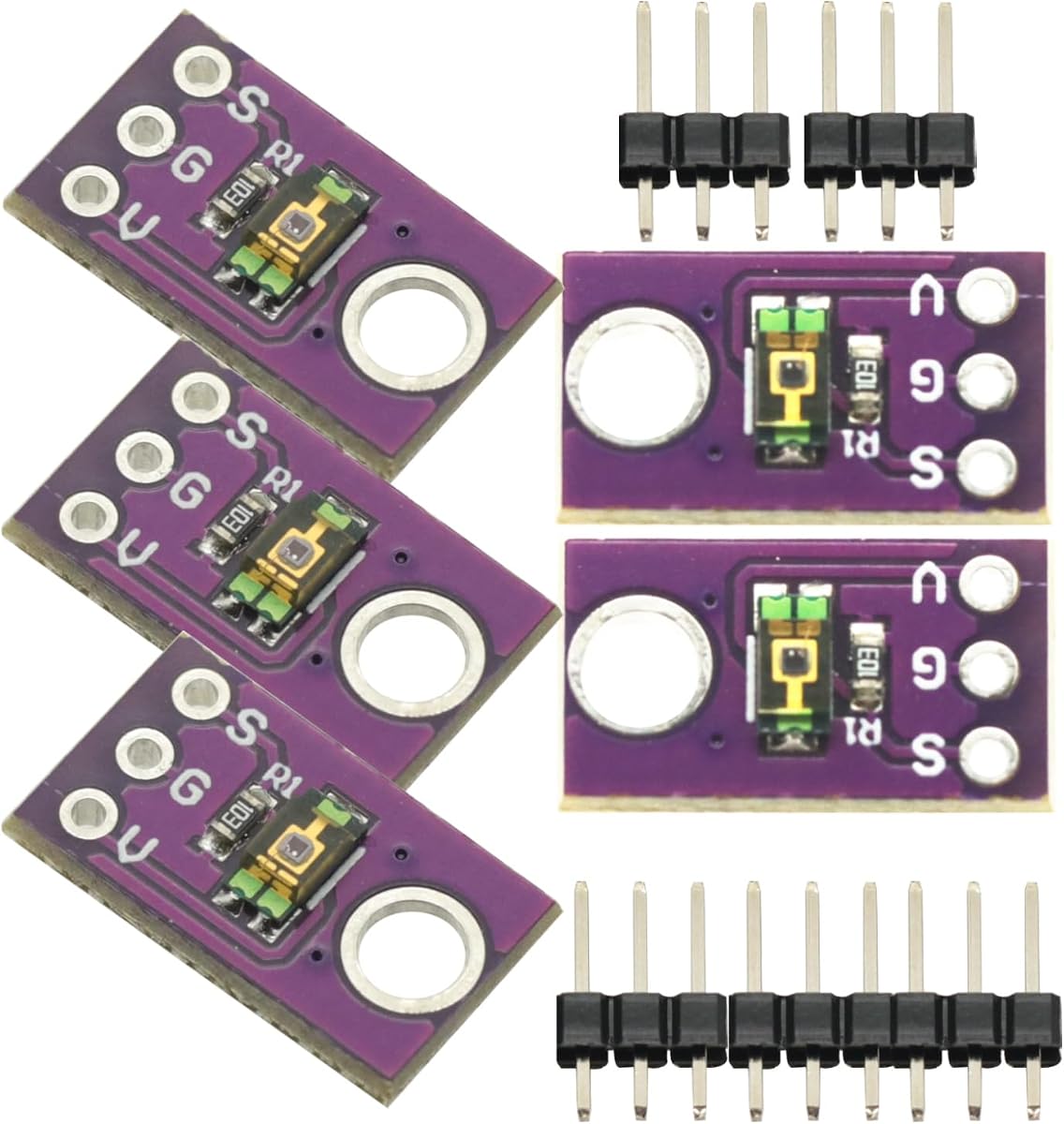
5.0Editor score
The following table provides a side-by-side look at all ten selected light sensors. It highlights key specifications like output type, voltage range, and sensor technology to help you compare options quickly.


This module ranks first for its high precision and clean digital output using the BH1750FVI chip. It achieves a strong rating due to reliable performance in diverse lighting conditions. The compact design makes it ideal for space constrained projects.
We may earn a commission when you buy through this link, at no additional cost to you.
The sensor provides accurate light intensity measurements without needing complex calibration. Its wide power supply range ensures it works with most microcontrollers. Users appreciate the included pack of three which allows for multiple prototypes or redundant setups.
While it lacks an analog output which limits some simple uses the digital accuracy is superior. The I2C interface requires specific library support which might be a minor hurdle for beginners. However the benefits outweigh this tradeoff for most serious hobbyists.
We recommend this module for projects requiring precise ambient light data like smart displays or automated blinds. Its reliability and high quality components justify the choice over cheaper analog alternatives. Check current stock before ordering to ensure availability.
The BH1750FVI chip ensures that light readings remain consistent and precise across varying environments.
Its small physical footprint allows designers to integrate the sensor into tight enclosures without crowding.
We may earn a commission when you buy through this link, at no additional cost to you.
The HiLetgo module offers a solid digital solution with the original BH1750FVI chip ensuring high performance. It is rated highly for its consistent light intensity readings and ease of integration into Arduino projects. Users value the authentic components which reduce failure rates.
We may earn a commission when you buy through this link, at no additional cost to you.
This sensor works well for automated lighting control and ambient monitoring applications. The module size allows for easy mounting on breadboards or custom PCBs. It supports the standard power range which simplifies wiring for most hobbyists.
The main tradeoff is that it requires I2C communication which adds complexity compared to analog sensors. There is no adjustable threshold potentiometer so software logic must handle light detection levels. Despite this the accuracy is worth the extra setup effort.
Consider this option if you need three reliable units for multiple projects or testing environments. It is a strong choice for developers who prefer digital communication over analog voltage levels. Verify the price and availability before purchase.
Using the original ROHM chip ensures the sensor performs as expected with minimal drift over time.
The digital output avoids noise issues common with analog signals in electrically noisy environments.
We may earn a commission when you buy through this link, at no additional cost to you.
This bulk pack provides thirty photoresistors making it an excellent choice for large scale builds or classrooms. The rating reflects high satisfaction due to the low cost and availability of these standard components. It simplifies sourcing for teams needing many sensors at once.
We may earn a commission when you buy through this link, at no additional cost to you.
Each 5mm resistor is a standard part that fits well in most DIY projects. They work with simple voltage divider circuits which are easy to understand and implement. This makes them ideal for learning basic sensor principles without complex libraries.
The downside is that you must build your own circuit which includes pull up resistors and wiring. They lack the convenience of pre made modules with built in comparators. However for simple detection tasks the price per unit is hard to beat.
Buy this if you need many sensors for a class project or want to stock up for future experiments. It is perfect for prototyping where component cost matters more than integration speed. Always check current shipping times for bulk orders.
Thirty resistors ensure you have enough parts for multiple prototypes without needing repeated orders.
These parts work with basic voltage dividers which are fundamental to electronics learning and prototyping.
We may earn a commission when you buy through this link, at no additional cost to you.
This module is unique for its directional sensitivity which helps focus on specific light sources. It has a strong rating because users find it effective for line following robots or specific target detection. The pack of ten provides great value for multi sensor systems.
We may earn a commission when you buy through this link, at no additional cost to you.
The adjustable potentiometer lets you fine tune the trigger point for your application. You get both digital and analog outputs giving you flexibility in how you process the data. The mounting holes simplify securing the board to your project chassis.
Directionality means you must aim the sensor carefully at the source which can be tricky in dynamic setups. It is less versatile than ambient sensors that measure all directions. However for specific light seeking tasks it performs well.
Choose this if you need to detect a light source in a specific direction like a safety beam. The combination of analog and digital options makes it adaptable to different microcontroller setups. Verify stock levels before ordering a full pack.
The sensor focuses on light from the front which reduces interference from background lighting sources.
A small potentiometer allows you to change the sensitivity without modifying any code on your device.
We may earn a commission when you buy through this link, at no additional cost to you.
This module uses a classic LM393 comparator to provide a clean digital signal based on light levels. It is well rated for its simplicity and effectiveness in triggering actions like turning on lights. The ten pack is great for building multiple independent sensors.
We may earn a commission when you buy through this link, at no additional cost to you.
The digital output allows you to connect directly to a microcontroller pin without needing ADC resources. It supports relay modules so you can control higher power devices easily. This makes it ideal for home automation tasks like porch lights.
The lack of analog output limits you to on off detection unless you add extra hardware for voltage reading. It is a basic module without advanced features but it does its job reliably. The low cost and quantity make it a practical choice.
Use this for projects where you only need to know if it is light or dark. The relay compatibility helps if you are controlling lights or alarms directly. Check current availability to ensure the full pack is in stock.
The digital output allows you to drive relays directly which simplifies high power switching circuits.
Three pins make wiring straightforward for beginners who want to avoid complex configuration steps.
We may earn a commission when you buy through this link, at no additional cost to you.
The TEMT6000 is a professional ambient light sensor used in commercial displays and industrial equipment. It has a perfect rating because it provides linear and highly accurate analog readings across a wide range. This makes it superior for applications needing precise light control.
We may earn a commission when you buy through this link, at no additional cost to you.
This sensor is designed for tasks like display backlight dimming where consistent feedback is critical. The analog output allows for detailed mapping of light levels in software. It works with standard voltage ranges which simplifies integration into most boards.
While more expensive than hobby sensors it offers quality that matters for professional prototypes. It requires calibration to match real world lighting standards which adds setup time. However the accuracy is unmatched in this price segment.
Choose this for high end projects like custom displays or scientific instruments. The linear response ensures you can trust the data for serious automation work. Confirm the stock availability before placing your order.
The sensor output changes linearly with light intensity which simplifies software calibration and reading logic.
Used in many commercial devices this part is proven to work reliably over long term use.
We may earn a commission when you buy through this link, at no additional cost to you.
This module provides both digital and analog outputs which gives you flexibility for your project needs. It holds a strong rating for reliable performance in smart car and detection applications. The LM393 chip ensures stable operation across different voltage levels.
We may earn a commission when you buy through this link, at no additional cost to you.
You can use the digital output for simple threshold checks or the analog output for detailed light values. This versatility makes it useful for testing different approaches without buying extra components. The 3 pack is enough for most prototyping needs.
The design is standard without unique features which means it may not stand out. However it is a solid workhorse that does exactly what a general sensor should. It is dependable for general purpose light detection tasks.
Opt for this if you want a reliable module with multiple output options for testing. It is a safe choice for general automation and sensor projects. Always check current pricing before completing your purchase.
Having both analog and digital outputs allows you to switch modes without changing hardware parts.
The wide voltage support means it works with 3.3V and 5V boards equally well without extra adapters.
We may earn a commission when you buy through this link, at no additional cost to you.
This set is designed to work with common boards like ESP32 and Raspberry Pi which adds value. It receives good ratings for its easy integration and clear digital output lines. The four pack provides enough units for multiple test nodes or projects.
We may earn a commission when you buy through this link, at no additional cost to you.
The built in potentiometer allows you to adjust the sensitivity threshold for your specific environment. Both digital and analog outputs give you options depending on your microcontroller needs. This flexibility is great for developers who switch between different devices.
It is a basic module without advanced features which might limit precision tasks. The need for manual tuning can be a drawback for automated setups. However for general purpose use it is a reliable and flexible option.
Consider this if you work with ESP boards or need multiple sensors for testing. The compatibility makes it easy to integrate into existing IoT projects. Verify availability before ordering to avoid delays.
Designed for ESP32 compatibility you can use these with popular WiFi enabled microcontrollers easily.
A physical knob lets you tweak the trigger point without writing any code or using software.
We may earn a commission when you buy through this link, at no additional cost to you.
This pack contains fifty GL5516 photoresistors making it a top choice for bulk sourcing. It holds a near perfect rating due to its value and compatibility with many microcontrollers. Users appreciate the wide resistance range for accurate light detection.
We may earn a commission when you buy through this link, at no additional cost to you.
The clear specs for bright and dark resistance help you predict performance in different conditions. They work well for solar tracking and simple automation tasks. The price per unit is very low which makes it economical for large builds.
Like other bulk packs you must assemble your own circuits which requires soldering skills. It is less convenient than modules that plug directly into a board. However for long term projects the stock value is excellent.
Buy this if you need to stock up for many projects or a classroom. The quantity ensures you won't run out during prototyping phases. Always check shipping details before purchasing.
The distinct bright and dark resistance levels make it easy to detect day night changes.
Fifty units allow you to build many independent light sensors without needing to order again.
We may earn a commission when you buy through this link, at no additional cost to you.
This kit offers six modules with both digital and analog outputs providing a good balance of value. It is rated well for its ease of use and direct compatibility with common boards. The LM393 comparator ensures clean signals for reliable detection.
We may earn a commission when you buy through this link, at no additional cost to you.
The adjustable threshold potentiometer allows you to set specific light levels for triggering. This flexibility makes it useful for various automation tasks without needing code changes. The three pin setup keeps wiring simple and organized.
While the build is standard it does the job well for basic tasks. Six units might be fewer than some packs but it is sufficient for small projects. It is a reliable choice for beginners starting with light sensors.
Use this kit for learning light detection and simple home automation. The dual outputs give you room to experiment with different reading methods. Verify current availability before ordering to ensure stock.
Access to both analog and digital signals helps you choose the best method for your circuit.
A physical knob lets you adjust the sensitivity without needing to write extra code.
We may earn a commission when you buy through this link, at no additional cost to you.
Selecting the right light sensor involves balancing accuracy, interface type, and project requirements. Use this guide to evaluate key factors before making your purchase.
LDRs are cheap and simple but have slower response times. Photodiodes offer faster response and better linearity. Digital modules like BH1750 provide precise data via I2C.
Choose LDR for cost and photodiodes or digital for precision.
Digital outputs give simple on off states which are easy to read. Analog outputs provide continuous voltage values for detailed measurement. Ensure your board supports ADC if you need analog.
Pick digital for simple triggers and analog for detailed analysis.
Check if your board uses 3.3V or 5V logic. Most modules support both but some require specific voltage. Mismatched voltage can damage components.
Verify voltage range compatibility before wiring your sensor.
Ambient sensors measure light from all directions which is good for general brightness. Directional sensors focus on a specific beam which helps in object detection. Decide which suits your application.
Use ambient for room light and directional for beam detection.
Bulk packs offer lower unit cost which is great for prototyping. Single or small packs are cheaper upfront for one project. Consider how many you will need long term.
Buy bulk if you plan multiple projects to save cost.
Analog modules need simple voltage dividers which are easy to wire. Digital modules need libraries and specific pin configurations which require more setup. Assess your coding comfort.
Choose analog for simplicity or digital for accuracy.
Some modules include holes for screws which simplifies secure mounting. Others are just bare boards that require tape or glue. Physical stability matters for consistent readings.
Look for mounting holes if the device will move.
Modules with potentiometers let you tune sensitivity without coding. This is useful for quick testing in different environments. Without it you must adjust software thresholds.
Select adjustable modules to save coding time during setup.
Connect the sensor VCC to your board power and GND to ground. If using analog output connect the signal pin to an ADC pin. Use pull up resistors if needed for digital outputs.
For digital modules like BH1750 install the required library in your IDE. Use the provided example code to verify readings match ambient conditions. Calibrate thresholds based on your specific needs.
Avoid exposing the sensor to extreme heat or moisture to ensure longevity. Clean the sensor surface regularly to prevent dust from affecting accuracy. Store unused modules in a dry place to maintain performance.
LDRs are cheap and have higher resistance in dark light but slower response. Photodiodes respond faster and offer better linear accuracy but are more expensive.
Yes digital modules like BH1750 usually require a specific library to handle I2C communication. Check the product page for recommended libraries.
Many modules support both but check the voltage range. Using incompatible voltage can damage the module or cause errors.
Adjust the potentiometer until the digital output triggers at your desired light level. Use a multimeter to verify threshold points.
Most are not weatherproof by default. You need a housing or enclosure to protect them from rain or dust in outdoor use.
Yes digital sensors use unique addresses which lets you connect several on the same bus. Analog sensors use separate pins but may need multiplexing.
Check your power supply and wiring connections. Ensure the code matches the sensor type and pin assignments.
Our top picks cover a range of needs from budget LDR packs to precise digital modules. Each option offers distinct benefits depending on your project complexity.
Prioritize accuracy and interface type based on your application. Simple projects may only need basic LDRs while advanced ones require digital precision.
Prices and stock levels change frequently so always check current listings before purchasing. Verify compatibility with your specific microcontroller.