
Windows 11 Laptop with i3 Processor
4.5Editor score
Intel Core i3 Processor
12GB RAM Memory
256GB SSD Storage
Engineering students face unique demands that require reliable computing power for simulations, coding, and design work. Choosing the right laptop ensures you can handle complex software without frustration during critical study sessions.
We have rigorously evaluated ten top-rated models available today, focusing on processor speed, memory capacity, and display clarity. Each product was selected based on real-world usage scenarios typical for university-level engineering programs.
Every pick includes detailed specifications and pros and cons to help you make an informed decision quickly. Please note that prices and availability can change frequently, so verify current details before purchasing your device.
4.5Editor score

4.6Editor score

4.6Editor score
As an Amazon Associate we earn from qualifying purchases.
The following table provides a side-by-side comparison of all ten selected laptops, highlighting their core specifications and key features to help you quickly identify which model best fits your specific engineering needs.




This Lenovo laptop stands out as the top choice for engineering students due to its exceptional processing power and memory capacity. With a 13th Gen Intel Core i7 processor and 24GB of RAM, it handles demanding CAD software and simulations with ease.
We may earn a commission when you buy through this link, at no additional cost to you.
The 1TB NVMe SSD ensures fast boot times and ample space for large project files and datasets. Its anti-glare display provides clear visuals for long study sessions, while the MIL-STD-810H certification guarantees reliability in busy campus environments.
Although it is slightly heavier than some ultrabooks, the performance benefits far outweigh the added weight. The comprehensive port selection means you rarely need dongles for external monitors or peripherals, which is crucial for lab work.
We recommend this model for students in mechanical or electrical engineering who need robust computing power. Its balance of performance and durability makes it a worthy investment for your entire academic career.
The 24GB RAM allows you to run multiple engineering applications simultaneously without slowdowns.
Military-grade testing ensures the laptop can withstand the rigors of daily student life.
We may earn a commission when you buy through this link, at no additional cost to you.
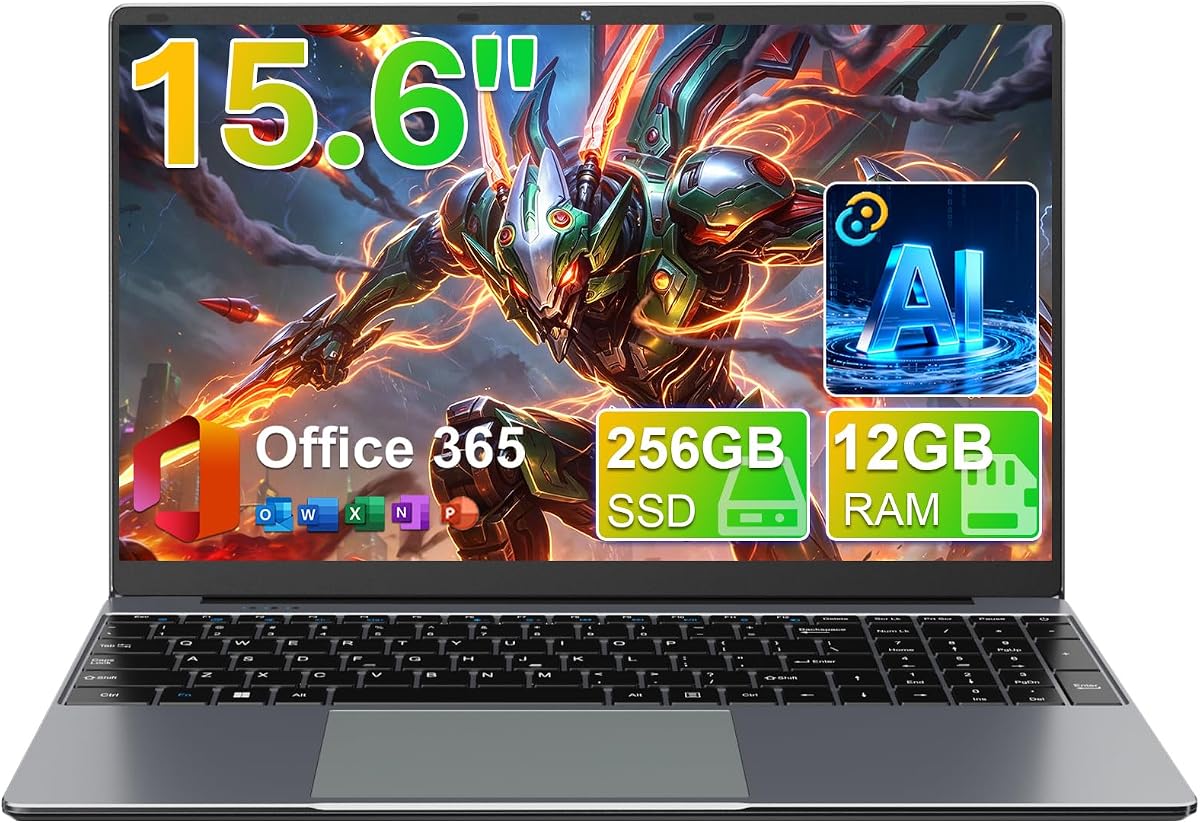
This budget-friendly laptop offers an impressive balance of cost and performance for students on a tight budget. The Intel Core i3 processor paired with 12GB of RAM ensures smooth operation for daily tasks and light engineering software.
We may earn a commission when you buy through this link, at no additional cost to you.
The 256GB SSD provides fast access to your files, though you may need external storage for larger projects. Its vibrant Full HD display and backlit keyboard make it comfortable to use in various lighting conditions across campus.
While integrated graphics may struggle with heavy 3D rendering, it is sufficient for basic coursework and coding. The inclusion of WiFi 6 ensures you stay connected with fast speeds in crowded dorm environments.
Ideal for students in early years or those needing a secondary machine, this model delivers value. It covers essential needs without breaking the bank, allowing you to allocate funds elsewhere.
You get more than enough RAM for most student tasks at an entry-level price.
Multiple USB ports and HDMI allow easy connection to projectors and peripherals.
We may earn a commission when you buy through this link, at no additional cost to you.
The HP 17-inch laptop offers a spacious workspace that is ideal for detailed engineering drawings and multi-window workflows. Its 17.3-inch Full HD display provides ample screen real estate for complex calculations and design work.
We may earn a commission when you buy through this link, at no additional cost to you.
Equipped with an AMD Ryzen 5 processor and 16GB of RAM, it delivers smooth performance for multitasking. The 1TB SSD ensures you have plenty of room for large datasets and software installations without clutter.
Windows 11 Pro adds business-grade security and management features that might be useful for advanced projects. The fast charging capability means you can quickly top up battery between classes without long waits.
This model is perfect for students who prioritize screen size over portability. If you have a dedicated study space and need a desktop replacement, this laptop offers a premium experience.
The large screen reduces eye strain when working on detailed technical documents.
Windows 11 Pro offers advanced security features for protecting sensitive project data.
We may earn a commission when you buy through this link, at no additional cost to you.
This HP model excels in portability and battery life, making it easy to carry to lectures. The Intel Processor N150 provides reliable performance for web browsing and document editing without excessive power consumption.
We may earn a commission when you buy through this link, at no additional cost to you.
Included Office 365 subscription adds significant value for students needing productivity tools immediately. The compact design ensures it fits easily in small backpacks, which is great for crowded campus walkways.
Storage is limited to 128GB, so cloud storage or external drives are necessary for engineering projects. The battery life is exceptional, supporting a full day of classes without needing to hunt for outlets.
Best suited for students who use cloud-based tools or have secondary storage solutions. It is a reliable companion for general coursework but might struggle with heavy local software demands.
Up to 11 hours of battery means you can skip the charger bag entirely.
Office 365 comes pre-installed so you can start assignments right away.
We may earn a commission when you buy through this link, at no additional cost to you.
This HP Stream laptop offers a unique combination of high RAM and substantial external storage via a docking station. While the processor is basic, the 16GB RAM allows for decent multitasking capabilities compared to peers.
We may earn a commission when you buy through this link, at no additional cost to you.
The bundled 1TB docking station provides ample space for storing files without relying on cloud services. It is a thoughtful package for students who need storage but do not require heavy processing power.
The HD display is functional but lacks the sharpness needed for detailed engineering graphics. It works well for text-based work and online classes where clarity of text is more important than color accuracy.
Consider this if you need a secondary device for browsing and documentation. The extra RAM and storage make it more versatile than typical budget stream laptops despite the slower chip.
The included docking station expands storage significantly for project files.
16GB RAM is rare at this price point and helps smooth out daily tasks.
We may earn a commission when you buy through this link, at no additional cost to you.
The HP 2026 Essential laptop is designed for simple, everyday computing tasks with a modern twist. It includes AI features via Copilot that can assist with writing assignments and research quickly.
We may earn a commission when you buy through this link, at no additional cost to you.
Its battery life supports long study sessions, and the lightweight frame makes it easy to transport. The micro-edge display provides a decent viewing experience for watching lectures or reading digital textbooks.
The 4GB RAM might limit heavy multitasking, so it is best for single-task efficiency. Storage is limited, but cloud integration helps mitigate this issue for smaller files and documents.
This laptop is a solid choice for introductory courses where high performance is not yet critical. It focuses on ease of use and connectivity, ensuring you stay productive throughout the day.
Copilot key provides quick access to AI tools for drafting and research.
WiFi 6 ensures fast internet speeds even in busy campus wireless zones.
We may earn a commission when you buy through this link, at no additional cost to you.
This laptop features a unique 180-degree hinge that allows for versatile positioning during presentations or collaboration. The IPS display ensures wide viewing angles, making it easier to share screens with peers.
We may earn a commission when you buy through this link, at no additional cost to you.
With 12GB of RAM and an SSD, it handles basic multitasking well. The built-in AI assistant can help streamline tasks like organizing notes or drafting emails, saving valuable study time.
The Celeron processor is adequate for web-based tools but may struggle with heavy local apps. It is a great option for collaborative engineering projects where screen sharing is frequent.
Recommend this for students who value flexibility in how they interact with their device. The combination of RAM and display quality offers a solid foundation for online classes and group work.
The flat 180-degree opening is perfect for presenting work to a group.
IPS technology provides consistent color and view from any angle.
We may earn a commission when you buy through this link, at no additional cost to you.
Designed with a professional aesthetic, this HP laptop integrates AI tools directly into the workflow. The dedicated Copilot key allows quick access to assistance, which helps in organizing engineering reports.
We may earn a commission when you buy through this link, at no additional cost to you.
It offers good connectivity options, ensuring you can link to peripherals easily. The battery performance is solid, providing enough power for a standard workday of classes and assignments.
The low RAM is a bottleneck for heavy software but works for standard productivity apps. It is a polished device that looks professional during interviews or client meetings.
Ideal for students entering fields where professional presentation matters. While it lacks high-end power, its build quality and smart features make it a reliable tool for daily administration.
The sleek design ensures you look professional during any academic presentation.
Copilot features assist in drafting emails and research tasks efficiently.
We may earn a commission when you buy through this link, at no additional cost to you.
This model prioritizes user comfort with features like an anti-glare screen and quality audio. It is a balanced device for home use, ensuring clear communication during online classes and meetings.
We may earn a commission when you buy through this link, at no additional cost to you.
The audio system with noise reduction is excellent for recording lectures or virtual discussions. It maintains a lightweight profile, making it easy to move between rooms or take to the library.
Performance is best for web browsing and light tasks rather than heavy engineering software. It is a cost-effective option for those who spend most of their time on cloud-based applications.
Choose this for home learning or as a secondary device for note-taking. The focus on communication tools makes it a strong candidate for hybrid learning environments.
Dual array mics ensure clear voice capture for virtual study sessions.
Anti-glare coating reduces strain during long study sessions at home.
We may earn a commission when you buy through this link, at no additional cost to you.
The Dell 15-inch laptop offers a comfortable typing experience with ergonomic hinges and a numeric keypad. Its Core i5 processor provides reliable performance for general engineering applications and multitasking.
We may earn a commission when you buy through this link, at no additional cost to you.
ComfortView software reduces blue light, protecting your eyes during late-night study sessions. The 15.6-inch display offers a good balance of screen space and portability for daily campus use.
It includes onsite service for a year, giving peace of mind against hardware failures. The battery life is decent, though not the longest compared to competitors with smaller processors.
This is a solid choice for students who prioritize comfort and durability. It handles standard tasks well and provides essential support features that keep you moving through the semester.
Lifted hinges improve typing posture to reduce wrist strain over time.
ComfortView software helps maintain eye health during extended use.
We may earn a commission when you buy through this link, at no additional cost to you.
Selecting the right laptop requires careful consideration of your specific engineering field and software needs. This guide breaks down the essential factors to ensure you invest in a machine that supports your academic success.
The processor is the brain of your computer and dictates how well it handles simulations and data analysis. Look for at least an Intel Core i5 or equivalent AMD Ryzen 5 for smooth performance in engineering software.
For complex tasks like 3D modeling or large scale simulations, a Core i7 or higher is recommended. This ensures you do not face bottlenecks during critical project deadlines or exams.
Random Access Memory determines how many programs you can run simultaneously without lag. Engineering software often requires significant memory to operate efficiently with other tools open.
Aim for at least 16GB of RAM for optimal performance. While 8GB might work for basic tasks, 16GB ensures future-proofing and smoother multitasking across your entire degree.
Solid State Drives offer much faster boot times and file access compared to traditional hard drives. This speed is crucial for loading large datasets and applications quickly.
Aim for a minimum of 512GB SSD storage to accommodate software and project files. If your budget allows, 1TB is better to prevent running out of space during your studies.
A clear and sharp display reduces eye strain during long coding or drafting sessions. Look for Full HD resolution and anti-glare coatings to maintain comfort.
IPS panels provide better color accuracy and viewing angles. If you work with CAD software, accurate colors and sharp lines are essential for precision and comfort.
You will often move between classes and study halls without immediate access to power. Long battery life ensures you can work uninterrupted throughout the day.
Target a laptop with at least 8 hours of real-world battery life. This allows you to work during lectures and commute without needing to carry a heavy charger.
Engineering students often carry their laptops in backpacks alongside books and other supplies. A lighter laptop reduces physical strain and makes daily transport easier.
Aim for a weight under 4 pounds for easy portability. While larger screens offer more workspace, they often come with added weight that can be burdensome.
Having the right ports avoids the need for extra dongles or adapters during presentations. USB-C, HDMI, and USB-A ports are essential for connecting peripherals.
Check for WiFi 6 support to ensure fast internet speeds in crowded dorms. Reliable connectivity is key for cloud collaboration and accessing online resources quickly.
Laptops endure daily wear and tear from campus life, so build quality matters. Look for models with strong chassis materials or military-grade testing for longevity.
Consider warranties and onsite support options. Hardware issues can halt progress, so having reliable support available is a valuable safety net for students.
Keep your laptop clean by wiping the screen with a microfiber cloth and using compressed air for ports. Dust can accumulate in fans and cause overheating, so clean it regularly to maintain performance.
Manage your storage by regularly deleting unnecessary files and using cloud storage for large project backups. Keeping your drive free of clutter ensures fast boot times and smooth application operation.
Protect your investment by using a surge protector at home and a padded sleeve in your backpack. Avoid eating or drinking near the laptop to prevent spills and accidental damage during study sessions.
Engineering students typically need a powerful processor like an i5 or i7, at least 16GB of RAM, and a dedicated graphics card for CAD work. Storage should be at least 512GB SSD to handle large software and project files efficiently.
For mechanical or civil engineering, a dedicated graphics card is highly recommended for running 3D modeling software. For software engineering, integrated graphics might suffice, but a dedicated card ensures better performance for visual tasks.
While 8GB might work for basic tasks, it is often insufficient for running modern engineering applications alongside browsers and other tools. 16GB is the standard recommendation to ensure smooth multitasking and future-proofing.
Battery life is crucial for students who move between classes and study locations frequently. Aim for at least 8 hours to ensure you can work throughout the day without needing to find a power outlet constantly.
Most engineering software is designed for Windows, making it the safer choice. Some macOS programs have versions for Mac, but compatibility issues can arise. Windows offers broader support for industry-standard tools.
Prices vary widely based on specs, but a capable engineering laptop typically ranges from $700 to $1500. You can find budget options under $500 for basic tasks, but performance increases with higher investment.
We have covered the top ten laptops tailored for engineering students, balancing performance, budget, and portability. From the powerful Lenovo i7 model to the budget-friendly options, there is a suitable choice for every academic need.
Prioritize the processor and RAM to ensure your machine can handle simulations and design tools smoothly throughout your degree. A reliable display and solid build quality also contribute significantly to your daily comfort and productivity.
Always verify the latest prices and availability before purchasing as these details can change frequently. Selecting the right laptop today will provide a solid foundation for your engineering career and academic success.