
Uniden BC365CRS
4.2Editor score
500 channel capacity
Built-in FM radio
Desktop alarm clock
This guide compares the top fire and police scanner for home use to help you choose the best analog or digital model for monitoring local emergencies.
Finding the right fire and police scanner for home use ensures you stay informed about local emergencies and community events. These devices capture radio transmissions from public safety agencies, offering peace of mind and real-time awareness for residents who want to monitor their surroundings closely.
We evaluated ten top-rated scanners based on features, ease of use, and performance in home environments. Our comparison covers analog and digital models, including base units and handheld options, to help you find the device that best fits your monitoring needs and technical comfort level.
Each product in this list highlights key capabilities like weather alerts, trunking support, and display quality. Please note that pricing and availability can change frequently, so check the linked retailers for the most current information before making your final purchase decision for home use.
4.2Editor score

4.5Editor score

4.2Editor score
This side-by-side comparison highlights the key specifications and capabilities of the ten top-rated scanners available for home monitoring, helping you quickly identify which model offers the features you need.





The Uniden BC365CRS is an affordable entry-level scanner designed for home use. It holds 500 channels and includes basic features like an alarm clock and FM radio. Its rating of 4.2 stars reflects its value for users seeking simple analog monitoring.
We may earn a commission when you buy through this link, at no additional cost to you.
This unit stands out for its all-in-one desktop design. You can listen to non-digital police and fire transmissions while also using it as a clock. The priority channel feature ensures you catch important calls without missing them during scans.
While it lacks digital decoding, the trade-off is simplicity and cost. Many smaller towns still use analog systems, making this scanner sufficient for many homeowners. It does not require complex programming to get started quickly.
It is ideal for beginners who want to monitor local air without technical hassle. If you need digital capabilities, consider upgrading later. For basic home monitoring needs on a budget, this model remains a solid recommendation.
This device combines scanning, timekeeping, and music into one box, reducing clutter on your desk and simplifying daily use for busy households.
Buttons are clearly labeled and the backlit screen ensures you can see settings even in dim lighting conditions at night.
We may earn a commission when you buy through this link, at no additional cost to you.
The Uniden BC355N offers a balance between features and ease of use for analog monitoring. It includes Close Call technology to find nearby signals automatically. Its rating of 4.0 suggests it works well for basic scanning tasks.
We may earn a commission when you buy through this link, at no additional cost to you.
This model includes pre-programmed bands for weather and aviation, helping you start listening immediately. The Close Call feature scans for nearby transmitters, making discovery easier for new users. It supports both home and car power sources.
Users should note that this scanner does not support digital systems found in larger cities. If your local police use digital trunking, this device may not be sufficient. However, for rural areas it remains useful.
It is a good choice for those who prefer a plug-and-play experience. The backlit display aids visibility at night. For users sticking to analog bands, this unit provides reliable performance and simple operation.
The Close Call technology helps you detect signals from nearby transmitters instantly, simplifying the process of finding active local frequencies without manual searching.
Included power cords allow you to use the scanner at home or in a vehicle, providing flexibility for monitoring during travel or daily use at home.
We may earn a commission when you buy through this link, at no additional cost to you.
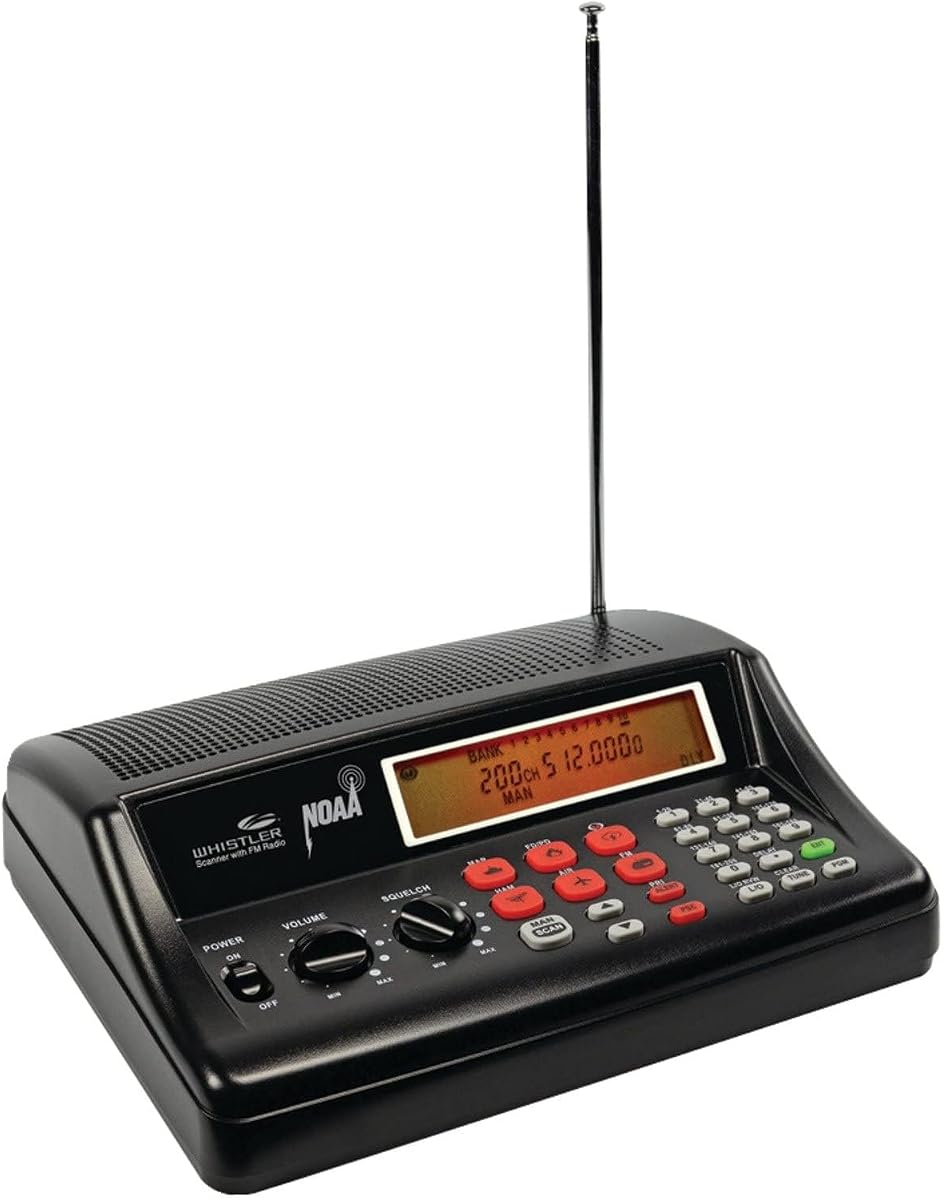
The Whistler WS1025 is a straightforward analog desktop scanner for users who prefer basic functionality. It offers 200 channels and priority scanning to ensure important calls are heard. Its rating reflects steady performance for its intended purpose.
We may earn a commission when you buy through this link, at no additional cost to you.
Key features include a scan delay that lets you hear replies on channels before moving on. This ensures you catch full conversations. The tune function helps you find unlisted frequencies manually, which is helpful for discovery.
This model is best for small areas where analog systems dominate. It does not support digital communications, which limits its use in modern urban environments. For hobbyists needing simple monitoring, it meets the need well.
Users looking for a compact, easy-to-operate unit will appreciate this design. The display is clear and the controls are accessible. If you do not need advanced digital features, this scanner offers a cost-effective solution.
The scan delay feature holds on a channel briefly to let you hear responses or follow-up transmissions without skipping them during a continuous scan.
This allows you to manually enter or find specific frequencies, giving you control over the scanning process without relying on stored memory banks.
We may earn a commission when you buy through this link, at no additional cost to you.
The Whistler WS1065 is a robust desktop scanner that handles digital trunking systems. It includes over 1800 channels and supports P25 decoding for modern communications. Its rating indicates solid performance for advanced users.
We may earn a commission when you buy through this link, at no additional cost to you.
This model features adaptive digital tracking and automatic adjustments for signal strength. You can clone settings between units via USB, making updates easy. The alert LED provides visual cues for active signals even when you are not looking at the screen.
It is more complex to set up than analog models, but the effort pays off in capability. The menu system includes help text for easier navigation. It is a good upgrade for users in digital-heavy areas.
Ideal for enthusiasts who need reliable digital monitoring without premium costs. The free-form memory structure allows efficient storage of channels. If you need trunking and digital support, this unit delivers strong value.
Adaptive digital tracking adjusts to shifting signals automatically, ensuring you maintain clear audio even when conditions change during a transmission.
The free-form memory structure avoids wasted space, allowing you to store significantly more channels than traditional banked systems could accommodate.
We may earn a commission when you buy through this link, at no additional cost to you.
The Uniden HomePatrol-2 combines digital capabilities with a user-friendly touchscreen. It automatically downloads radio system data and supports P25 Phase 2. Its rating reflects popularity among users wanting simple digital operation.
We may earn a commission when you buy through this link, at no additional cost to you.
This device simplifies the process by using a database to identify systems in your area. You do not need to program channels manually, which saves time. The Sentinel software keeps the scanner updated with the latest frequencies.
While powerful, it is a larger investment than basic analog units. It does not include GPS, so location-based scanning is manual. However, it covers a wide range of radio systems found in the USA and Canada.
Best for users who want digital power without technical setup. The touchscreen makes navigation intuitive. If you need a reliable scanner for local monitoring and have the budget, this model is a strong contender.
The digital touchscreen allows you to select radio services with a tap, eliminating the need for complex button combinations or manual frequency entry.
Included Sentinel software manages favorites and firmware updates, ensuring your scanner stays current with the latest radio system changes and alerts.
We may earn a commission when you buy through this link, at no additional cost to you.
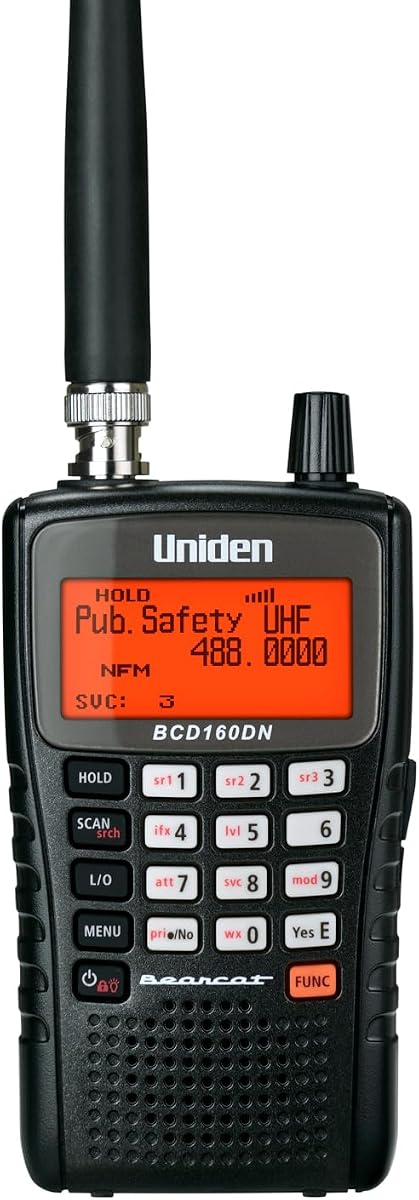
The Uniden BCD160DN is a handheld digital scanner focusing on narrow-band reception and specific digital types. It supports DMR and NXDN but excludes trunking and P25. Its lower rating suggests users found limitations.
We may earn a commission when you buy through this link, at no additional cost to you.
This unit features rapid decode for sub-audible tones and custom search to find signals faster. It charges batteries via USB without removing them. The band scope helps tag systems quickly for later reference during monitoring.
It works best for those needing a portable option for specific digital types. It is not ideal for broad public safety scanning where P25 dominates. The compact size makes it easy to carry around the house or car.
Best for hobbyists tracking specific amateur or commercial digital bands. If your local public safety is not analog or P25, this device serves a niche purpose. Check local bands before purchasing to ensure compatibility.
Instantly detects and displays the sub audible tone, helping you identify the specific system settings without manual trial and error.
Use the USB cable to recharge Ni-MH batteries while they remain inside the scanner, simplifying power management during long monitoring sessions.
We may earn a commission when you buy through this link, at no additional cost to you.
The Uniden BCD436HP stands out for its balance of power and ease of use. It uses a database to scan nearby systems automatically after entering a zip code. Its 4.2 star rating reflects satisfaction among users who want reliable performance.
We may earn a commission when you buy through this link, at no additional cost to you.
Key features include TrunkTracker V and GPS for location-based scanning. The Instant Replay function lets you hear missed transmissions up to four minutes long. The display is large enough to see details clearly in various lighting.
Setup is minimal, removing the biggest barrier for newcomers to scanning. Custom alerts ensure you are notified when specific channels activate. The device covers systems in the USA and Canada with high accuracy.
It is the top choice for serious home monitoring without desktop complexity. While not cheap, the features justify the cost for those wanting comprehensive coverage. If you want a powerful handheld that is ready out of the box, this is the pick.
Simply enter your zip code and the scanner identifies and monitors systems in your area, removing the need for manual channel programming or database management.
Plays back up to four minutes of recent transmissions, ensuring you never miss important calls even if you step away or are momentarily distracted.
We may earn a commission when you buy through this link, at no additional cost to you.
The Uniden BCD996P2 is a high-capacity digital scanner designed for base and mobile use. It holds 25,000 channels and supports Phase 2 systems. Its rating indicates it is a favorite among advanced users who need flexibility.
We may earn a commission when you buy through this link, at no additional cost to you.
Close Call DND lets you monitor nearby signals without interrupting active channels. The S.A.M.E. weather alert system ensures you get severe weather warnings for your specific location. You can connect GPS for automatic location scanning.
This device is built for power users who travel or monitor large areas. The menus are deeper than simpler units, which might slow down beginners. However, the dynamic allocation means you never run out of storage.
Best for those needing serious capability in a mobile format. If you want to track systems across regions and need weather alerts, this scanner delivers. It requires some setup but rewards effort with comprehensive monitoring.
Checks for nearby radio transmissions without interrupting active channel reception, allowing you to track local activity without breaking your current listen.
With 25,000 channels, you can store massive amounts of systems and frequencies without worrying about running out of space on the device.
We may earn a commission when you buy through this link, at no additional cost to you.
The Uniden BCT15X offers location-based scanning for analog users who travel. It holds 9,000 channels and includes state-specific programming. Its rating reflects its utility for travelers monitoring police and fire bands.
We may earn a commission when you buy through this link, at no additional cost to you.
You can connect a GPS receiver for automatic system selection based on location. This eliminates the need to reprogram the scanner when you move. Close Call technology helps you stay aware of local activity on the road.
It is strictly analog, so it will not work where digital is used. Check your local area before buying. The design is robust and suitable for mobile use in cars or base setups at home.
Ideal for travelers who need to stay informed across different regions. If you prefer analog simplicity but want travel convenience, this device meets the need. Ensure local systems match its capabilities before investing.
State-by-state preprogrammed channels mean you can scan local police and highway patrol frequencies immediately upon entering a new area.
The 9,000 channel capacity allows for extensive storage of systems and favorites, giving you flexibility as you scan different regions.
We may earn a commission when you buy through this link, at no additional cost to you.
The Uniden SDS200 is the most advanced digital scanner in this lineup. It uses True I/Q technology for superior decode performance on difficult systems. Its 4.5 rating confirms high satisfaction among power users.
We may earn a commission when you buy through this link, at no additional cost to you.
This model features a large 3.5-inch customizable color display. You can organize systems into favorites lists and scan them efficiently. Location-based scanning with GPS ensures you monitor local systems accurately without programming effort.
It is the most expensive option, but it handles simulcast systems better than others. The Sentinel software keeps the database updated weekly. If you need the best possible audio clarity on digital, this is it.
Best for enthusiasts who demand top performance. The depth of features requires time to learn, but the results are worth it. If budget allows and you want the best digital scanning available, this scanner is the premium choice.
Delivers incredible digital performance by using advanced signal processing to decode challenging simulcast systems with minimal distortion.
You can set display colors and information for different fields, tailoring the view to your preferences for better readability and workflow.
We may earn a commission when you buy through this link, at no additional cost to you.
Selecting the right scanner involves understanding your local radio environment and technical needs. This section breaks down key factors to consider.
Check if your local police and fire departments use analog or digital systems. Analog scanners are cheaper but may not receive digital communications used by many modern agencies. Digital scanners handle both but cost more.
If your area has switched to digital, ensure the scanner supports P25 or trunking. Otherwise, a basic analog unit will suffice.
Look for a scanner with enough memory to store the frequencies you care about. Larger systems require more channels to track multiple stations and services without losing data.
Choose a model with at least 500 channels unless you have specific needs for fewer. This ensures future-proofing as local systems expand.
Consider how much effort you want to spend on programming. Simple units work right out of the box with preloaded databases, while others require manual frequency entry.
For beginners, models with automatic scanning and setup reduce complexity. Advanced users may prefer customizable options.
S.A.M.E. weather alerts are essential for home use. These warnings are specific to your location and help you prepare for severe conditions like tornadoes or floods.
Ensure the scanner supports NOAA weather bands and location codes. This feature adds significant value beyond just police monitoring.
A backlit display is necessary for reading in low light. Color screens offer better customization but may be harder to use if menus are complex.
Prioritize readable fonts and clear icons. If you monitor at night, ensure the display adjusts well to ambient light.
Decide if you need a handheld or base unit. Handhelds are great for travel, while base units are stationary and often larger.
Check power options like battery support or DC plugs. Mobility increases the utility of the device across different areas.
Many scanners allow PC programming via USB, which can simplify managing favorites. Some have menus that are easier to navigate than others.
Look for intuitive help text and logical menu structures. This reduces frustration when updating frequencies or settings.
Prices vary from affordable analog models to high-end digital units. Balance your needs against what you can afford for reliable performance.
Check the manufacturer's warranty and support resources. Good support helps you resolve issues quickly and extend device life.
Start by checking your local area for digital versus analog transmissions to ensure compatibility. If digital, configure the scanner to decode P25 or trunking systems. For analog, simply scan the standard police and fire frequencies.
Keep your scanner plugged in or charged regularly to ensure it is ready during emergencies. If using a battery-powered model, replace or recharge batteries when needed to avoid interruptions.
Update your scanner's database periodically to keep frequencies accurate. Many models support software updates that add new services or correct errors. This keeps your device effective as local systems change.
Only scanners designed for digital reception can decode modern police and fire systems. Analog scanners will not hear encrypted or digital transmissions used by many agencies today. Check if your area uses P25 or similar before purchasing.
In most areas, listening to unencrypted public safety transmissions is legal. However, some states restrict recording or transmitting on public channels. Always review your local laws and respect privacy regulations when monitoring.
Beginners benefit from models with automatic scanning and simple setup like the Uniden HomePatrol series. These units pre-load databases so you do not need to program frequencies manually, making them easier to start using.
Yes, many scanners include NOAA weather bands and S.A.M.E. alerts. These features warn you of severe weather specific to your location, adding safety value to your monitoring setup.
Most digital scanners support software updates via USB connection to a computer. You can download tools from the manufacturer to refresh frequencies and add new services. This ensures you stay current as systems change.
Most units come with a telescoping antenna suitable for general use. For better range, you might add an external antenna or relocate the device to a window. This improves signal reception in rural areas.
We reviewed ten scanners ranging from simple analog to advanced digital models. Each option offers distinct benefits depending on your technical needs and local environment.
Prioritize models that match your area's radio technology. If you live in a digital zone, invest in a P25-capable unit. If analog is common, a basic scanner saves money without sacrificing value.
Check current availability and pricing before buying. Local features and prices change, so confirm details with the retailer to ensure you get the latest version that fits your needs.