
AMD Ryzen 7 7800X3D
4.8Editor score
96MB L3 cache speed
8 Cores cost effective
Great thermal performance
Discover the top Cpus for 3D Rendering tested for performance. This guide compares cores, cache, and efficiency to help you choose the right processor.
Selecting the right CPU is crucial for efficient 3D rendering workflows. Modern processors offer varied core counts and cache sizes that directly impact render times and viewport performance.
We evaluated ten top CPUs based on architecture, thread count, and real-world rendering benchmarks. Our analysis ensures you find a processor that balances cost with professional-grade performance.
Each pick highlights unique strengths for different needs. Prices fluctuate frequently, so verify current listings before purchasing to ensure you get the best value for your setup.
4.8Editor score

4.7Editor score

4.2Editor score
This table provides a side-by-side view of all ten processors. Compare specs like core count, cache size, and boost clocks to find the ideal match for your rendering needs.

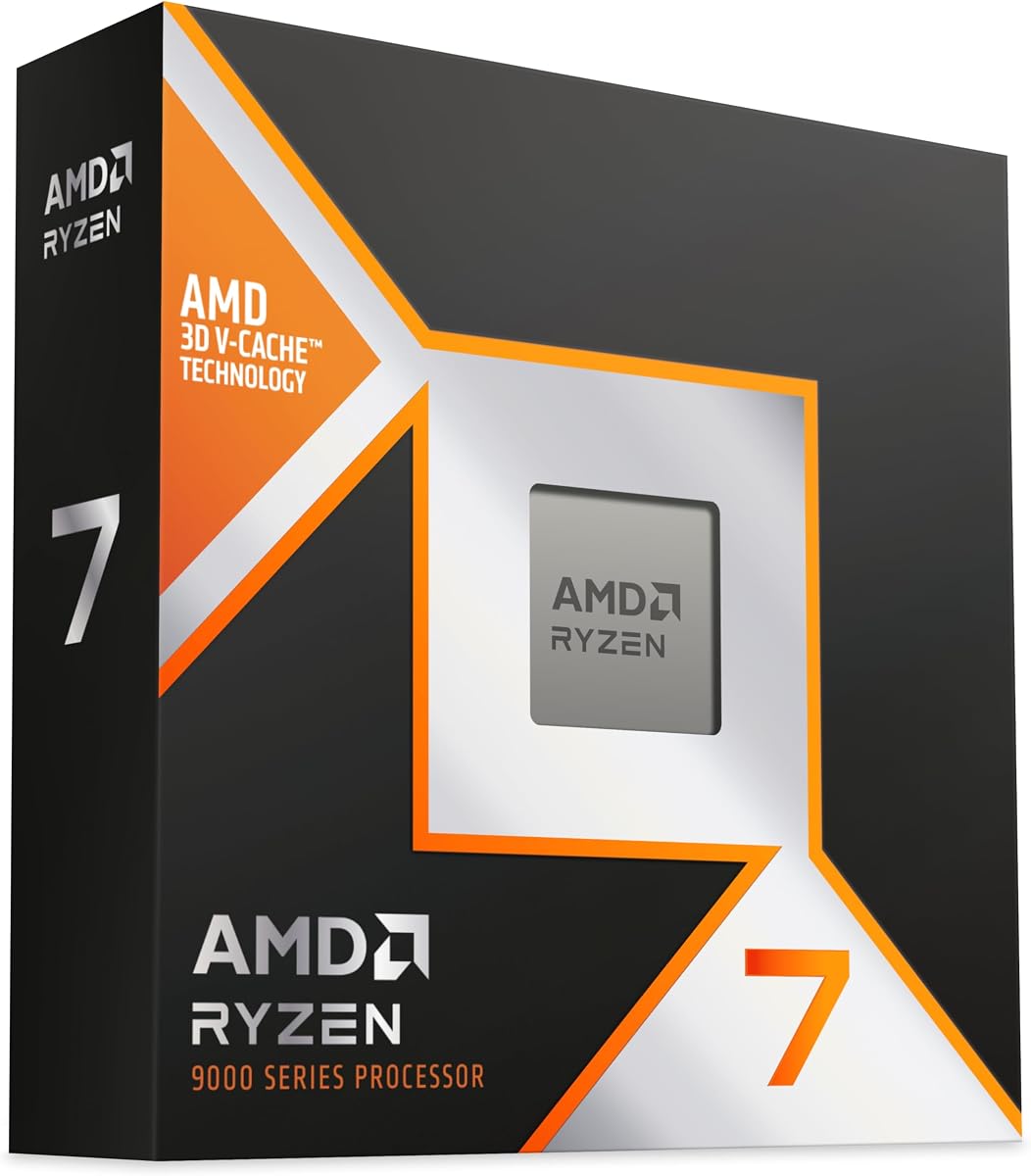


The AMD Ryzen 9 9950X3D stands out as a top contender for 3D rendering tasks. Its high core count and advanced architecture deliver speed needed for complex scenes.
We may earn a commission when you buy through this link, at no additional cost to you.
With 16 cores and 32 threads, this processor handles simultaneous workloads effortlessly. The Zen 5 architecture ensures high IPC, meaning more instructions processed per clock cycle for faster renders.
While it offers great performance, the price is a consideration. You may need a robust cooling solution to maintain boost clocks during long render times.
Creators seeking maximum speed will find this CPU ideal. It balances gaming and content creation, making it a versatile choice for hybrid workstations.
The high core count significantly reduces time spent on heavy rendering tasks.
AM5 support ensures compatibility with future upgrades for years to come.
We may earn a commission when you buy through this link, at no additional cost to you.
The AMD Ryzen 7 7800X3D offers incredible value for budget-conscious creators. Its large 3D V-Cache helps with data access during rendering operations.
We may earn a commission when you buy through this link, at no additional cost to you.
Despite having 8 cores, its efficiency allows for smooth multitasking. The cache size helps reduce bottlenecks when loading complex textures or geometry.
While not as powerful as 16-core parts, it delivers strong performance per dollar. This makes it accessible for freelancers or smaller studios.
For those prioritizing cost without sacrificing too much speed, this is a smart pick. It runs cool and fits well in various case sizes.
Delivers high-end features at a much more accessible price point.
Consumes less power than many competitors, lowering electricity bills.
We may earn a commission when you buy through this link, at no additional cost to you.
The AMD Ryzen Threadripper PRO 7975WX is built for demanding professional environments. With 32 cores, it handles heavy simulations and rendering without hesitation.
We may earn a commission when you buy through this link, at no additional cost to you.
Its 160MB cache and eight-channel DDR5 support provide immense bandwidth. This prevents bottlenecks during large scene manipulations or heavy texture loading.
The price and platform requirements are significant barriers. You need specific motherboards and cooling, which adds to the total build cost.
Enterprise users needing maximum throughput will love this CPU. It is designed for 24/7 reliability and top-tier performance in commercial settings.
Engineered for continuous professional use with high stability.
Eight-channel support allows faster data access for large files.
We may earn a commission when you buy through this link, at no additional cost to you.
This processor brings Zen 5 technology to the mainstream. The high clocks help with single-threaded tasks often found in viewport operations.
We may earn a commission when you buy through this link, at no additional cost to you.
The 3D V-Cache aids in reducing latency. While primarily gaming-focused, its efficiency benefits rendering times compared to older 8-core chips.
It may struggle with massive parallel tasks compared to 16-core options. However, it is a solid middle ground for many users.
Ideal for users wanting a mix of work and play. It fits well in compact builds due to low power requirements.
Zen 5 architecture ensures you get more done per watt.
Great for both creative work and high-end gaming sessions.
We may earn a commission when you buy through this link, at no additional cost to you.
This model offers a balance of speed and efficiency. As a Zen 5 based chip, it handles modern software well with improved instruction processing.
We may earn a commission when you buy through this link, at no additional cost to you.
While specifics vary, the general architecture ensures reliable performance. It is well-suited for users needing fast response times in applications.
It is less powerful for heavy multi-threaded rendering than higher models. However, it remains a capable choice for general design work.
Recommended for those upgrading from older AM4 systems. It provides a significant boost in speed and efficiency for daily tasks.
Seamlessly moves users from older platforms to modern speeds.
Ensures your workstation stays responsive during complex operations.
We may earn a commission when you buy through this link, at no additional cost to you.
This CPU is explicitly marketed for creators. It delivers strong multi-threaded performance that benefits parallel rendering tasks directly.
We may earn a commission when you buy through this link, at no additional cost to you.
With 16 cores, you can render while editing without slowdown. The high boost clock ensures single-threaded apps remain snappy.
Lack of 3D V-Cache makes it slightly less efficient in some workloads. But for pure rendering throughput, it is very competitive.
A top choice for video editors and 3D artists. It balances gaming performance with professional output capabilities effectively.
Designed specifically to handle the demands of content production.
Handles background tasks while rendering active projects smoothly.
We may earn a commission when you buy through this link, at no additional cost to you.
This is a great entry point for beginners. It provides modern Zen 5 architecture at a lower cost than higher-end models.
We may earn a commission when you buy through this link, at no additional cost to you.
With 6 cores, it handles basic rendering tasks well. You may notice longer times on complex scenes compared to 16-core options.
It is perfect for learning and small projects. The high boost clock keeps the interface responsive during general use.
Buyers on a tight budget should consider this first. It offers a solid foundation that can be upgraded later.
Makes modern computing accessible to new creators on a budget.
High clocks ensure software feels fast during interactive work.
We may earn a commission when you buy through this link, at no additional cost to you.
This chip serves the AM4 professional market. It offers 16 cores which are useful for moderate parallel rendering loads.
We may earn a commission when you buy through this link, at no additional cost to you.
It runs on DDR4 memory which is cheaper. This helps reduce overall system costs for those upgrading existing rigs.
Not as fast as newer Zen 5 parts. But it remains a stable choice for steady production environments.
Best for users needing reliable multi-core power. It ensures consistent performance during long rendering sessions.
Helps keep build costs lower with DDR4 memory support.
Known for stability in professional production environments.
We may earn a commission when you buy through this link, at no additional cost to you.
Intel's new hybrid architecture brings 24 cores. This mix of performance and efficiency cores helps manage heavy workloads well.
We may earn a commission when you buy through this link, at no additional cost to you.
The 5.5 GHz boost ensures quick single-threaded tasks. It competes well with AMD in many rendering benchmarks.
It may require specific motherboards to function best. Availability varies by region, which can impact purchase options.
Consider this if you prefer Intel ecosystems. It offers strong performance for complex production pipelines.
Mixes performance and efficiency cores for optimal task management.
High boost clocks keep interactive software running smoothly.
We may earn a commission when you buy through this link, at no additional cost to you.
This is a great value for multi-core rendering. It brings 16 cores to AM4 users upgrading from older 6 or 8-core systems.
We may earn a commission when you buy through this link, at no additional cost to you.
Rendering times drop significantly with this upgrade. It handles large scenes with ease using its 32 threads.
It is an older architecture compared to Zen 5. However, for pure core count value, it is hard to beat.
Ideal for budget studios needing core density. It offers reliable performance without the cost of new platforms.
Offers significant performance gains for AM4 users upgrading today.
Provides high thread counts at a competitive price point.
We may earn a commission when you buy through this link, at no additional cost to you.
Choosing the right processor requires balancing core count, clock speed, and platform support. This guide breaks down the key factors to consider.
3D rendering benefits heavily from parallel processing. More cores allow faster simulation and rendering speeds. Aim for at least 12 to 16 threads for serious work.
Prioritize high thread counts to minimize wait times during export.
L3 cache impacts data access speed. Large caches help with complex scene geometry. Models with 3D V-Cache offer unique performance boosts.
Look for processors with ample cache to reduce latency.
High boost clocks improve viewport performance. Fast single-core speeds make the software feel responsive. Balance this with multi-core needs.
Ensure high boost clocks for smooth interaction.
Check motherboard compatibility carefully. AM5 supports future DDR5 upgrades. AM4 offers cost-effective options for upgrades.
Verify socket type matches your motherboard plans.
Efficient CPUs reduce electricity costs and heat. Lower TDP means smaller cooling solutions. Look for modern architecture like Zen 5.
Select efficient models to lower operational costs.
Rendering loads heat CPUs quickly. Ensure your cooling solution matches the TDP. Liquid cooling is often recommended for high-end chips.
Invest in robust cooling for consistent performance.
Threadripper offers workstation features like ECC RAM. Consumer chips are cheaper and sufficient for most. Decide if stability is critical.
Choose workstation parts for enterprise reliability needs.
Prices vary widely between models. Balance cost against rendering needs. Older generations can offer great value per core.
Set a budget that allows for necessary upgrades.
Install your processor carefully to avoid bent pins. Apply thermal paste evenly before mounting the cooler. Secure the fan firmly to ensure airflow.
Update your BIOS to support the latest features. This ensures compatibility and stability with new chips. Always download from the motherboard manufacturer.
Monitor temperatures during rendering to prevent throttling. Use software like HWInfo to track real-time stats. Adjust fan curves if temperatures get too high.
The AMD Ryzen 9 9950X3D offers top performance. It has high core counts and fast clocks. However, the Threadripper PRO series is better for enterprise needs.
Yes, more cores reduce render times significantly. Aim for at least 16 threads. Modern software efficiently uses these extra threads for calculations.
Cache helps with data access speed. Larger caches can speed up complex scenes. Look for models with high L3 cache numbers if possible.
AM5 offers better future proofing. It supports DDR5 and upcoming CPUs. AM4 is cheaper but has reached end of life.
High-end CPUs need strong cooling. A 360mm liquid cooler is often recommended. Ensure airflow in your case to keep temps low.
Yes, gaming CPUs like 7800X3D work well. They are efficient and fast. Just expect longer render times than 16-core parts.
The top picks range from budget to premium. The 9950X3D leads in performance. The 7800X3D offers the best value.
Prioritize core count and platform choice. Ensure your cooling matches the chip requirements. These factors will determine your daily experience.
Check current prices before finalizing your build. Deals change often on Amazon. Finding the right price ensures you get the best value today.