
Lenovo IdeaPad Slim 3 Linux Laptop
4.3Editor score
Pre-installed Ubuntu Linux
AMD Ryzen 7 5825U
16GB RAM 512GB SSD
Finding the right laptop for Linux requires careful consideration of hardware compatibility and performance needs. Not every device supports open-source operating systems seamlessly out of the box.
We compared ten diverse models ranging from budget-friendly options to powerful workstations. Our analysis focuses on processor power, memory capacity, and confirmed Linux support details.
Each pick highlights key strengths and potential trade-offs for developers and users. Prices fluctuate frequently so verify current listings before making your final purchase decision.
4.3Editor score

4.6Editor score
5.0Editor score
As an Amazon Associate we earn from qualifying purchases.
This side-by-side comparison highlights key specifications across all ten selected laptops to help you evaluate performance and value quickly.




This Lenovo IdeaPad Slim 3 comes pre-installed with Ubuntu Linux offering immediate usability for developers and everyday users. It has a solid rating reflecting its balance of performance and value in the open-source laptop market.
We may earn a commission when you buy through this link, at no additional cost to you.
The AMD Ryzen 7 5825U processor delivers exceptional multitasking capabilities with 8 cores and 16 threads. Combined with 16GB RAM and a 512GB SSD this system handles coding compiling and media tasks efficiently without lag.
While the touchscreen and bundled accessories add value they may slightly reduce battery life compared to non-touch models. Users should note that accessory contents can vary so check the listing for current inclusions before purchase.
Ideal for students and professionals seeking a reliable Linux machine without high costs this laptop offers excellent compatibility and performance. Its durable build and full keyboard make it a practical choice for daily workflows.
Ubuntu Linux is pre-installed ensuring hardware drivers work correctly right out of the box for a smooth setup experience.
Includes a stylus pen portable SSD and USB hub providing essential tools for productivity and connectivity immediately upon unboxing.
We may earn a commission when you buy through this link, at no additional cost to you.
This Lenovo Business Laptop runs Linux Mint Cinnamon which is renowned for its stability and user-friendly interface ideal for professional environments. It earns a high rating due to its reliable performance and business-focused features.
We may earn a commission when you buy through this link, at no additional cost to you.
The Intel Core i5-1335U processor provides modern performance with efficient power usage suitable for office applications and development tools. 16GB RAM ensures smooth multitasking across multiple browser tabs and virtual machines without slowdowns.
The storage capacity is modest at 256GB which may require external drives for large media libraries or extensive project files. Non-touch display is standard for business laptops focusing on clarity and reducing glare during long work sessions.
Perfect for businesses needing secure and stable Linux machines this laptop offers fast charging and robust connectivity. Its full keyboard and number pad enhance data entry efficiency making it a top choice for administrative tasks.
Linux Mint Cinnamon provides a familiar Windows-like interface that eases transition for users new to open-source operating systems.
The Intel i5-1335U offers excellent speed and efficiency for contemporary business workloads and development environments.
We may earn a commission when you buy through this link, at no additional cost to you.
This variant of the IdeaPad Slim 3 stands out with a massive 1TB SSD offering ample storage for files and development environments. It maintains the same core performance features as the standard model while adding more capacity.
We may earn a commission when you buy through this link, at no additional cost to you.
The AMD Ryzen 7 5825U processor ensures fast performance for demanding tasks like compiling code or running multiple containers. With 16GB RAM users can expect smooth operation even when running resource-intensive Linux applications and virtual machines.
A lower user rating may reflect variability in quality control or accessory bundles rather than core performance issues. Touchscreen functionality adds versatility but consumes more power so consider disabling it for longer battery life on the go.
Ideal for users needing significant local storage without external drives this laptop balances power and capacity well. It is a strong contender for developers who require space for multiple operating systems or large datasets.
A 1TB SSD provides plenty of room for multiple Linux distributions large project files and media collections.
Slim profile and varied ports including SD card reader ensure easy connectivity and transport for mobile professionals.
We may earn a commission when you buy through this link, at no additional cost to you.
This HP 17 Business Laptop excels with 32GB RAM and dual storage drives making it ideal for heavy multitasking and data storage. Linux Mint Cinnamon ensures a stable and familiar operating environment for enterprise users.
We may earn a commission when you buy through this link, at no additional cost to you.
The 32GB RAM allows extensive virtualization and running multiple heavy applications simultaneously without performance degradation. Combined with 1TB SSD for speed and 1TB HDD for bulk storage this system supports complex development workflows efficiently.
The 17.3-inch screen offers more workspace but adds significant weight and bulk making it less portable than smaller laptops. Older Intel processors may lack the efficiency of newer models though still sufficient for general business and development tasks.
Recommended for stationary workstations needing maximum memory and storage this laptop delivers robust performance. It is well-suited for users who prioritize raw capacity and screen real estate over portability and battery life.
32GB RAM enables running multiple virtual machines and large applications simultaneously without slowdowns.
Combination of SSD and HDD provides both fast access and bulk storage for diverse data needs.
We may earn a commission when you buy through this link, at no additional cost to you.
This simplified listing for the IdeaPad Slim 3 retains the core strengths of the full bundle model with Ubuntu Linux pre-installed. It offers a reliable Linux experience with solid hardware specs for developers and students.
We may earn a commission when you buy through this link, at no additional cost to you.
The AMD Ryzen 7 5825U provides ample power for coding and general tasks while maintaining energy efficiency. 16GB RAM and 512GB SSD ensure responsive performance and adequate space for most development projects and files.
Lack of rating data may reflect recent listing or low review volume which suggests verifying current availability and quality checks before purchase. Port selection remains standard for this class with necessary connectivity options for peripherals.
A solid choice for users wanting a reliable and portable Linux machine this laptop delivers consistent performance. Its compact size makes it easy to carry while still supporting demanding open-source workflows and applications.
Core specs deliver steady performance for typical Linux development tasks without needing premium components.
Slim design and military-grade materials ensure the device withstands travel and daily use effectively.
We may earn a commission when you buy through this link, at no additional cost to you.
This HP 14 inch Laptop offers a budget-friendly option though it ships with Windows 11 instead of Linux. Users must install Linux manually which may require technical skills but allows custom configuration for open-source workflows.
We may earn a commission when you buy through this link, at no additional cost to you.
With only 4GB DDR5 RAM and 128GB SSD performance is limited to light tasks like web browsing and document editing. It serves better as an entry-level device rather than a full development machine for complex Linux environments.
The lightweight chassis and cloud storage help mitigate local storage limitations but require reliable internet access. Battery life and port selection are adequate for basic use but lack the robustness of higher-end Linux-ready laptops.
Best for users on tight budgets willing to customize the OS this laptop provides a cheap starting point. It is not recommended for heavy development or multitasking without significant hardware upgrades or external storage solutions.
Affordable price makes it accessible but performance is limited for demanding Linux development tasks.
Includes 1TB cloud storage to extend capacity without relying solely on local SSD space.
We may earn a commission when you buy through this link, at no additional cost to you.
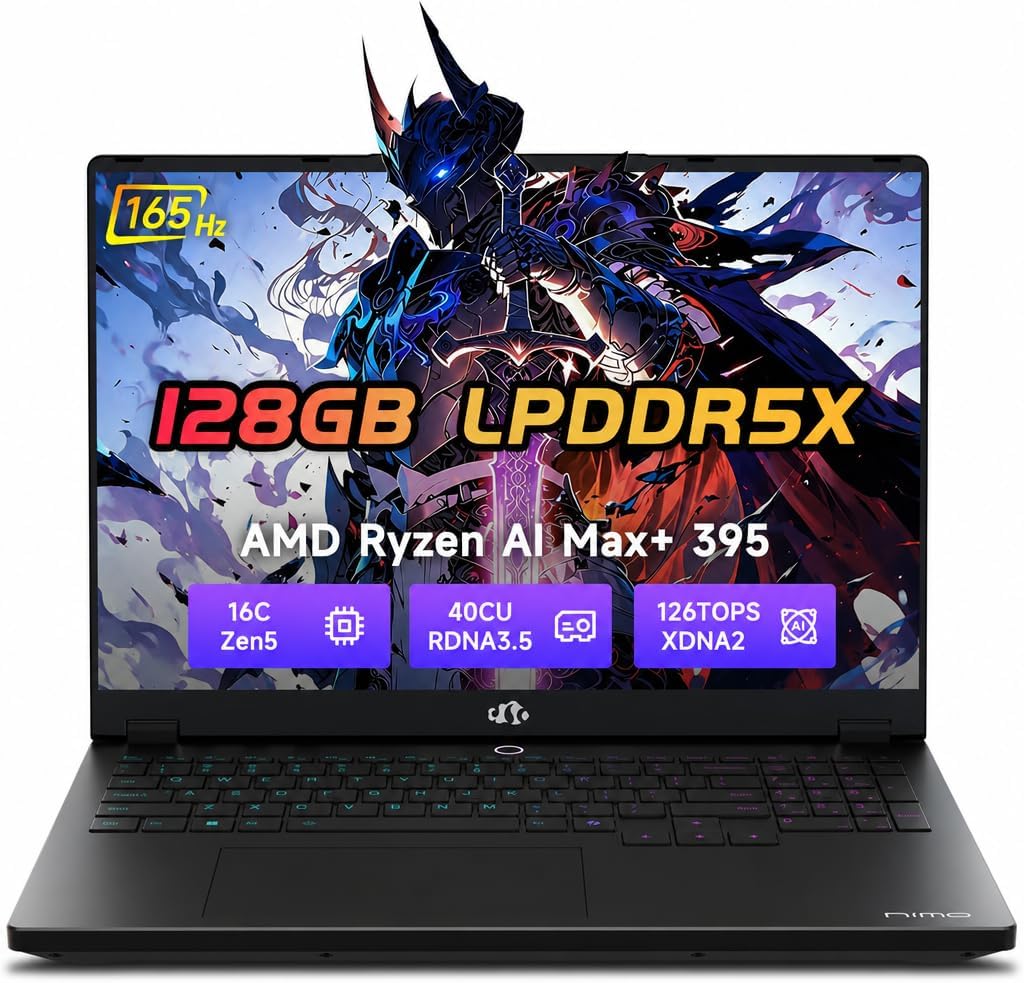
This NIMO 16-inch laptop represents a top-tier option for AI work and heavy development with pre-installed Linux. It earns a perfect rating for its exceptional performance specs and specialized features tailored for power users.
We may earn a commission when you buy through this link, at no additional cost to you.
The AMD Ryzen Max+ 395 processor paired with 128GB LPDDR5x RAM handles massive Docker containers and local large language models effortlessly. This hardware supports fine-tuning 70B LLMs locally ensuring data privacy and reducing cloud subscription costs.
The premium price point and specialized features like flight-ready battery and high-end cooling make this a niche device. Thermal management is robust but requires attention to ventilation during intense workloads to maintain peak performance levels.
Ideal for researchers and developers needing local AI compute power this laptop delivers unmatched performance. Its premium build and display quality justify the cost for professionals prioritizing speed and privacy in their workflow.
Run 70B LLMs locally with 128GB RAM ensuring data privacy and eliminating cloud costs.
99Wh battery meets air travel limits while providing 8+ hours of productivity on long sessions.
We may earn a commission when you buy through this link, at no additional cost to you.
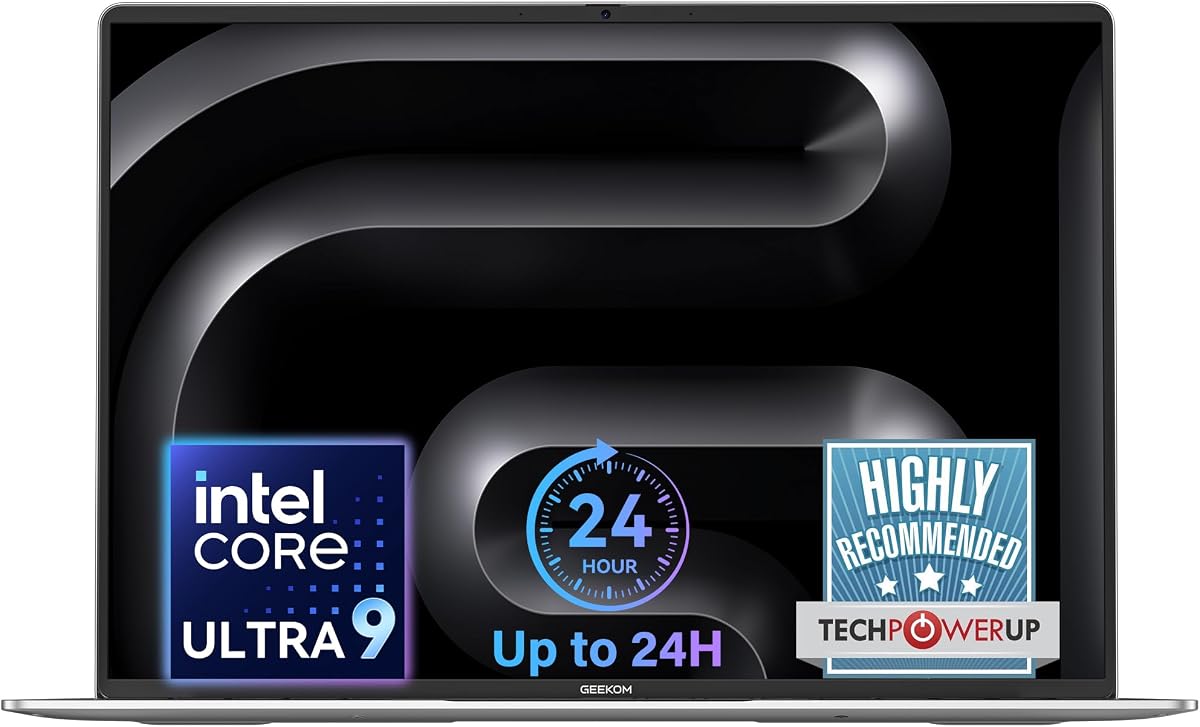
This GEEKOM GeekBook M16 offers exceptional battery life and sustained performance though it ships with Windows 11. It requires manual Linux installation but provides hardware that supports high-performance open-source workflows well.
We may earn a commission when you buy through this link, at no additional cost to you.
Up to 24 hours of battery life ensures all-day productivity without constant charging making it ideal for travelers. The Intel Core Ultra 9 processor and 55W sustained power allow heavy multitasking and rendering tasks even on battery.
Windows OS and high price point may deter strict Linux users but hardware quality is top-tier. The 16-inch 16:10 display offers extra vertical space beneficial for coding and document editing in Linux environments.
Recommended for mobile professionals needing reliability and stamina this laptop delivers premium build quality. Install Linux for open-source flexibility while enjoying the extended battery and robust performance hardware.
Up to 24 hours of battery life ensures uninterrupted work sessions during travel or remote use.
55W sustained power on battery allows demanding tasks without throttling for consistent productivity.
We may earn a commission when you buy through this link, at no additional cost to you.
This HP 17.3 inch Business Laptop provides a large display and capable hardware though it runs Windows 11. Users intending to run Linux will need to perform a fresh installation to enable open-source system support.
We may earn a commission when you buy through this link, at no additional cost to you.
The 17.3-inch IPS display offers ample workspace for multitasking and viewing complex code or design layouts. Combined with 16GB RAM and modern AMD processor this system handles daily productivity and light development tasks efficiently.
Portability is limited by the larger size making it more suitable for stationary office use than travel. Wi-Fi 6 connectivity ensures stable networking which is essential for cloud-based development workflows and remote access.
Ideal for users needing extra screen space without external monitors this laptop offers good value. Install a preferred Linux distribution for a seamless open-source experience leveraging the strong hardware capabilities.
17.3-inch display provides expanded screen real estate for detailed work and multitasking.
Wi-Fi 6 and USB ports ensure fast wireless and wired connections for reliable productivity.
We may earn a commission when you buy through this link, at no additional cost to you.
This Lenovo ThinkPad L14 Gen 5 ships with a Vanilla Linux System ensuring maximum compatibility and customization. It brings the legendary ThinkPad reliability to open-source users with enterprise-grade security and build quality.
We may earn a commission when you buy through this link, at no additional cost to you.
AMD Ryzen 5 PRO 7535U and 16GB DDR5 RAM provide responsive performance for development tools and containers. The 14-inch WUXGA display offers clear visuals while the backlit keyboard aids coding in various lighting conditions.
French keyboard layout requires using included English stickers which may be inconvenient for some users. Lack of rating data reflects new listing status so verify availability and current configuration details before ordering.
Perfect for developers prioritizing Linux support and durability this ThinkPad offers a reliable platform. Its security features and business-focused design make it suitable for corporate open-source adoption and sensitive projects.
Pre-installed Vanilla Linux ensures drivers work well and system customization remains open.
Business-grade chassis and security features protect data and hardware during daily professional use.
We may earn a commission when you buy through this link, at no additional cost to you.
Selecting the right Linux laptop involves balancing hardware compatibility with performance needs and budget constraints.
Ensure the laptop comes with Linux pre-installed or has hardware known to work well with your distro. Vendor support and open-source driver availability prevent frustrating setup issues.
Pre-installed models save time while others may require manual configuration or driver updates post-installation.
Choose a processor with enough cores and threads for your workload such as 8-core AMD or modern Intel options. Performance impacts compilation speed and virtual machine handling significantly.
High-core CPUs improve multitasking but consume more power so consider battery needs when selecting.
At least 16GB RAM is recommended for development and running containers smoothly without slowdowns. Solid state drives should be 512GB minimum to store tools and projects effectively.
More RAM and SSD capacity future-proof your device against growing software requirements and data needs.
A Full HD or better screen reduces eye strain during long coding sessions. Aspect ratio like 16:10 offers extra vertical space useful for viewing code and documentation.
Brightness and anti-glare coatings improve usability in varied lighting conditions such as offices or outdoors.
Look for 8 hours or more for mobility and travel. Linux often manages power well but hardware quality still defines overall endurance.
Larger batteries may add weight so balance portability with runtime requirements based on use case.
USB-C HDMI and Ethernet ports ensure versatile peripheral connections without needing dongles. Wi-Fi 6 support maintains stable networking for cloud tools and updates.
Verify port availability matches your needs for monitors drives and wired connections before purchase.
A comfortable keyboard and backlighting are essential for typing code efficiently. Durable construction like metal chassis or military-grade certification protects against daily wear.
Quality keyboards reduce fatigue and sturdy builds extend laptop lifespan for long-term value.
Balance cost with performance and features to find the best deal for your needs. Pre-installed Linux models may save on OS licensing fees while bundles add accessory value.
Consider total cost including accessories and support plans when comparing similar laptops.
Begin by installing or updating your Linux distribution using the provided recovery media or USB installer if needed. Ensure BIOS settings like Secure Boot are configured correctly to avoid driver issues during setup.
Regularly run system updates using your package manager to maintain security and performance. Monitor battery usage settings to adjust power saving modes according to your tasks and mobility needs.
Protect hardware with a sleeve or case during travel and clean screen and keyboard regularly to preserve quality. Back up important data frequently using external drives or cloud services to prevent loss.
Not all laptops work perfectly with Linux without configuration as some hardware may lack open-source drivers. Look for models with pre-installed Linux or known compatibility to avoid setup issues.
Most laptops support Linux installation but you must configure BIOS settings and drivers manually. This requires technical skills so pre-installed models are easier for beginners.
Ubuntu is widely supported and user-friendly making it ideal for most laptops. Other distros like Mint or Fedora offer different benefits depending on workflow and preferences.
16GB is a recommended minimum for smooth multitasking and container usage. 32GB helps if running virtual machines or large projects regularly.
Linux often manages battery efficiently but hardware and power settings affect life. Pre-installed Linux models are optimized so performance matches or exceeds Windows.
Gaming laptops have powerful hardware but drivers for GPUs may vary. Check Linux compatibility and use distros with support for your graphics components.
Some models allow RAM upgrades while others have soldered memory. Review product specs carefully before purchase to know upgrade limits.
It is a base Linux setup without manufacturer modifications allowing full customization. This ensures drivers work and settings are open-source friendly.
We highlighted ten strong choices ranging from budget IdeaPad models to premium AI-capable laptops. Each offers distinct benefits suited to developers professionals and students seeking open-source freedom.
Prioritize processor power and memory for development while considering battery life and display for portability. Pre-installed Linux systems simplify setup and ensure compatibility out of the box.
Verify current availability and pricing before purchase as these factors change often. Use our comparison to narrow options and select a machine that fits your workflow and budget.