
phrozen Sonic Mini 8K S
4.4Editor score
22 microns XY resolution
8K mono LCD screen
Open source software support
Compact tabletop design
Finding the right 3D Printer for Dnd Miniatures can transform your tabletop gaming experience. Whether you need intricate details for heroes or quick prototypes for terrain, choosing the correct technology matters significantly for your final results and workflow efficiency.
We evaluated ten top-rated models based on resolution speed ease of use and community support. Our analysis focuses on how each machine handles small features layer adhesion and multi-color capabilities to ensure you get the most value for your investment in gaming assets.
Each pick below highlights specific strengths for miniature printing ranging from budget-friendly options to premium resin machines. Remember that prices and availability change frequently so check current listings before purchasing to secure the best deal for your specific crafting needs today.
4.4Editor score

4.2Editor score

4.2Editor score
As an Amazon Associate we earn from qualifying purchases.
This side-by-side comparison highlights key specifications across all ten selected 3D printers to help you quickly identify which model best suits your specific Dnd miniature printing needs and budget constraints.




The Bambu Lab A1 stands out as a top choice for 3D Printer for Dnd Miniatures needs due to its incredible speed and precision. With a rating of 4.7 stars users praise its ability to deliver detailed prints without complex setup. Its acceleration of 10000 mm/s² ensures rapid turnaround for miniatures while maintaining sharp edge definition crucial for tabletop gaming figures.
We may earn a commission when you buy through this link, at no additional cost to you.
Key strengths include active flow rate compensation which smooths layer transitions automatically. The full-auto calibration handles Z-offset and bed-leveling removing common friction points for new users. Additionally the active motor noise canceling allows you to print in shared living spaces without disruption. This makes it highly practical for hobbyists who need reliability and convenience.
Trade-offs involve the need to purchase the AMS lite separately for multi-color capabilities which can increase total cost. While it handles standard PLA well it lacks the high-temperature capability of industrial machines. These limits are acceptable for most miniature projects where speed and ease of use outweigh extreme material flexibility needs.
Who should buy it? This printer is perfect for beginners and intermediate makers who value time efficiency and high-quality FDM results. If you want to print DnD heroes and terrain quickly without fighting with manual calibration the A1 delivers a seamless experience that keeps you focused on painting and gaming.
Faster printing means you can produce batches of miniatures in hours rather than days allowing more time for customization and painting.
The simplified touchscreen and auto-calibration reduce setup time significantly making 3D printing accessible even to those new to the technology.
We may earn a commission when you buy through this link, at no additional cost to you.
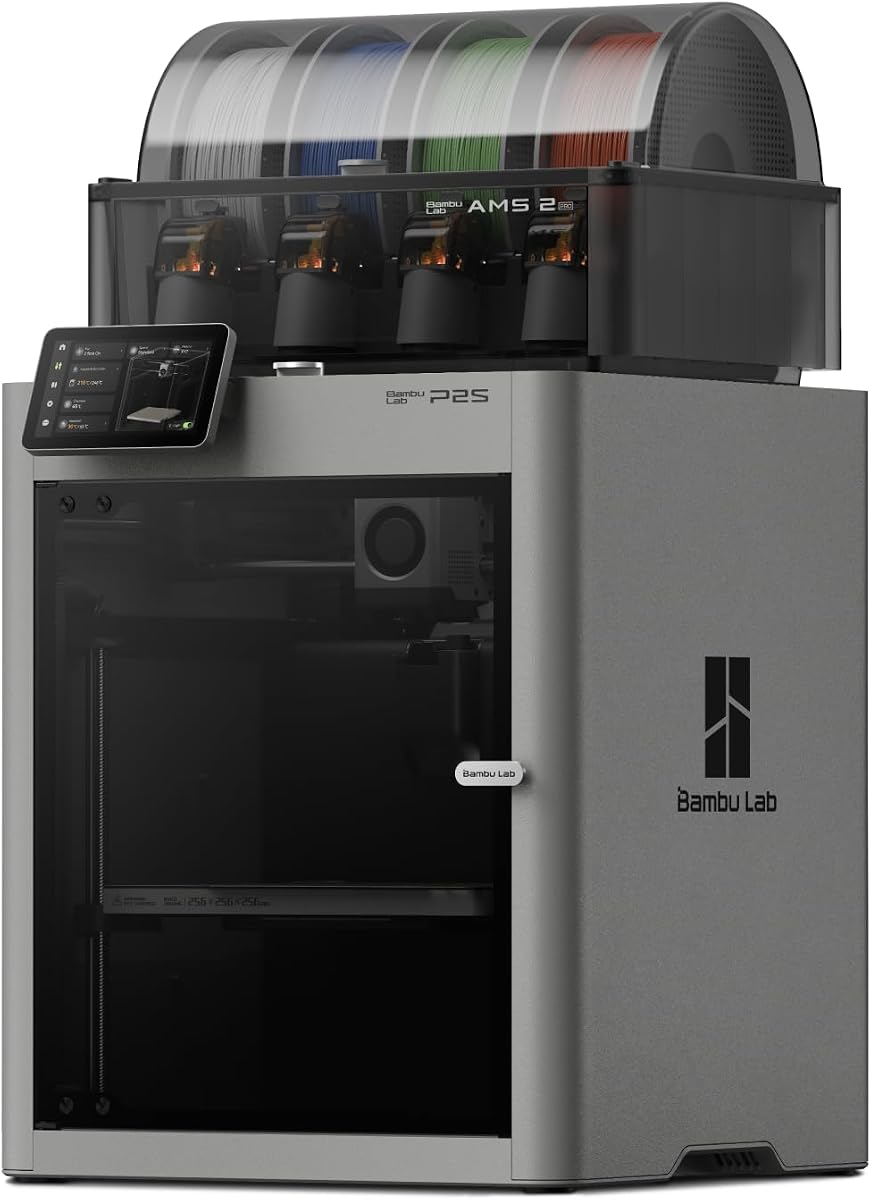
The Bambu Lab P2S Combo represents the premium end of 3D Printer for Dnd Miniatures solutions combining high-speed FDM with robust multi-material support. With a 4.7 rating it offers exceptional accuracy through the PMSM Servo Extruder and Active Flowrate Compensation. This ensures every layer stays sharp which is vital for intricate miniature details like armor edges or facial features.
We may earn a commission when you buy through this link, at no additional cost to you.
Its standout feature is the AMS 2 Pro which enables seamless multi-color printing with built-in filament drying up to 65°C. This capability allows for vibrant heroes and detailed props without post-processing painting. The adaptive airflow system also balances cooling for overhangs keeping crisp edges on complex geometries typical of tabletop miniatures and terrain.
Trade-offs include the higher cost compared to entry-level models and the fact that the P2S alone does not support multi-color without the combo. While these factors increase investment the efficiency gains in color and material management justify the expense for serious hobbyists seeking professional results for their DnD campaigns.
Who should buy it? This printer is ideal for users who want top-tier multi-color capabilities and speed without compromising quality. If you plan to print large batches of unique miniatures with varied colors and need minimal manual intervention the P2S Combo provides the workflow efficiency and finish quality you need.
Built-in drying prevents moisture issues that can ruin fine details ensuring every print comes out clean and professional every time.
The AMS 2 Pro handles color swaps automatically letting you focus on designing rather than managing filament changes during long print jobs.
We may earn a commission when you buy through this link, at no additional cost to you.
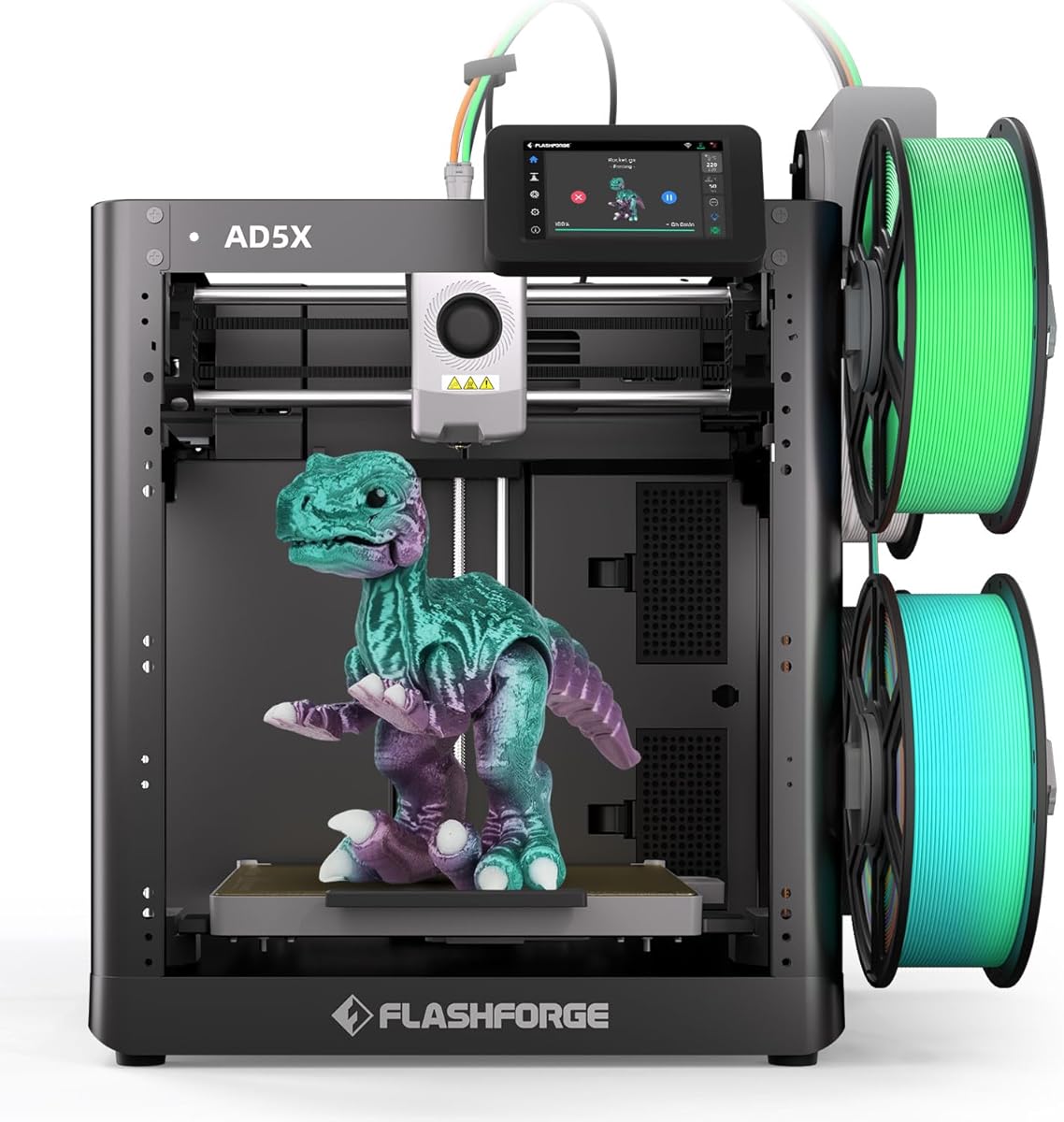
The FLASHFORGE AD5X delivers a compelling option for 3D Printer for Dnd Miniatures needs by offering multi-color printing via its Intelligent Filament System. With a 4.0 rating it emphasizes creative possibilities through vibrant designs using up to four colors simultaneously. Its high-speed capability up to 600mm/s ensures quicker project turnaround times for hobbyists producing many figures for tabletop sessions.
We may earn a commission when you buy through this link, at no additional cost to you.
Key strengths include the all-metal Core XY structure which minimizes vibrations during fast movements for smoother and more accurate prints. The flexible TPU support expands versatility for functional parts or unique flexible miniatures. Additionally the large printing size of 220x220x220mm allows for larger dioramas or batch printing of multiple small characters efficiently.
Trade-offs involve the learning curve associated with the IFS system which may require initial setup adjustments compared to simpler FDM units. While the print quality is solid some users note variability compared to higher-rated machines. These factors are acceptable given the feature set and price point which offers significant creative freedom for moderate users.
Who should buy it? This printer suits artists and designers who want multi-color capabilities at a competitive price. If you want to create colorful miniatures without expensive upgrades and value speed and versatility the AD5X provides a robust platform for diverse projects in your DnD gaming preparation.
The rigid all-metal frame reduces vibration artifacts which helps maintain sharp details even when printing at high speeds.
Supporting TPU allows for unique applications like flexible bases or dynamic parts that standard rigid printers cannot handle easily.
We may earn a commission when you buy through this link, at no additional cost to you.
The phrozen Sonic Mini 8K S is a powerhouse for those seeking the finest details in a 3D Printer for Dnd Miniatures. With an XY resolution of 22 microns and an 8K mono LCD it renders every nuance of your designs to life. This level of precision is unmatched for miniatures where facial expressions and armor textures must be crisp and visible.
We may earn a commission when you buy through this link, at no additional cost to you.
Its beginner-friendly nature combined with sophisticated Z-axis calibration ensures even and accurate prints for every layer. The support for open source software like Lychee and Chitubox gives users freedom to choose their favorite slicers without restrictions. This flexibility is crucial for tailoring settings to specific resin types and miniature models.
Trade-offs involve the need for resin handling and post-processing which includes washing and curing steps not required for FDM. While these steps add time the final quality justifies the effort for users prioritizing detail over speed. The compact footprint also makes it suitable for limited workspace environments like home studios.
Who should buy it? This printer is perfect for miniature painters and enthusiasts who prioritize resolution above all else. If you want to print ready-to-paint miniatures with incredible fine details that rival professional studio figures the Sonic Mini 8K S offers the precision and control you need.
22-micron resolution ensures that tiny details like weapon blades or jewelry on miniatures come out sharp and distinct without jagged edges.
Open-source support means you can optimize print settings with community tools to ensure every model prints successfully.
We may earn a commission when you buy through this link, at no additional cost to you.
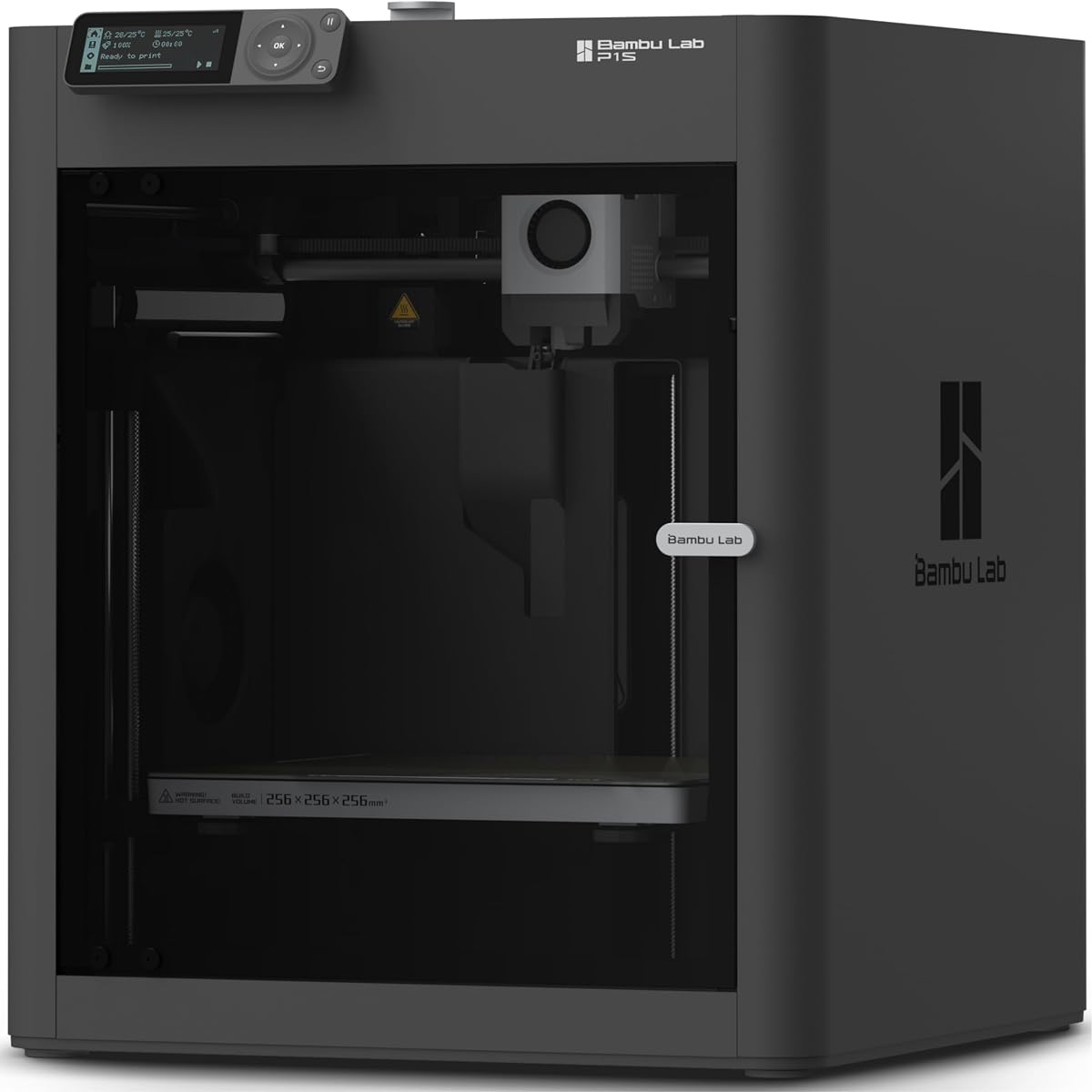
The Bambu Lab P1S is a versatile option for 3D Printer for Dnd Miniatures needs offering a fully enclosed design that improves print performance for advanced filaments. With a 4.5 rating it balances speed and reliability with lightning-fast 500mm/s printing and automatic bed leveling. This ensures successful prints every time reducing waste and frustration for hobbyists.
We may earn a commission when you buy through this link, at no additional cost to you.
Its ability to support up to 16 colors with an AMS connection allows for vibrant multi-color printing suitable for complex character designs. The setup time of just 15 minutes means you can start creating immediately without extensive assembly. This makes it ideal for makers who want professional results without spending hours configuring hardware.
Trade-offs include the requirement to connect an AMS for multi-color printing which adds to the overall cost. Additionally it is not recommended for carbon fiber reinforced polymer which limits some industrial applications. These constraints are minor for most miniature projects where PLA PETG and ABS are sufficient materials for durable gaming pieces.
Who should buy it? This printer is perfect for users who need a reliable enclosed system for various materials. If you value speed ease of use and the potential for multi-color output without sacrificing print quality the P1S offers a balanced platform for your tabletop production.
Enclosed design maintains consistent temperatures allowing advanced materials like ABS to print without warping which is vital for sturdy game pieces.
Automatic bed leveling removes the guesswork of calibration ensuring every first layer adheres perfectly to the build surface.
We may earn a commission when you buy through this link, at no additional cost to you.
The FLASHFORGE Adventurer 5M Pro brings high performance to 3D Printer for Dnd Miniatures with a 600mm/s speed and all-metal CoreXY frame. With a 4.0 rating it focuses on vibration compensation algorithms that eliminate ghosting for smooth high-precision surfaces. This is critical for miniatures where surface texture impacts painting quality and final aesthetic appeal.
We may earn a commission when you buy through this link, at no additional cost to you.
Its 280°C extruder allows printing of engineering materials like ABS and ASA which offer greater durability for functional props or terrain. The 3-second quick-swap nozzle system lets you change nozzles effortlessly for varying detail levels. The integrated dual filtration system ensures a clean printing environment reducing fumes during longer print sessions.
Trade-offs include the average rating which suggests some variability in user experience compared to premium models. While the camera helps monitor progress it is not a replacement for physical checks during complex prints. These are acceptable trade-offs given the high-speed capabilities and material versatility that extend beyond standard hobbyist printing.
Who should buy it? This printer suits those who need to print durable parts with high speed. If you want to produce robust miniatures and props with ease of maintenance and a clean workspace the Adventurer 5M Pro provides the performance and features you need.
Quick-swap nozzles allow easy switching between fine details and strong supports maximizing efficiency for diverse project requirements.
Quiet noise levels under 50dB make it suitable for home or office environments without disturbing others during operation.
We may earn a commission when you buy through this link, at no additional cost to you.
The FLASHFORGE AD5X Pro is designed for creativity with multi-material 3D Printer for Dnd Miniatures capabilities. It features an Intelligent Filament System that enables multi-color and multi-material prints simultaneously without manual intervention. With a 4.0 rating it offers ultrafast printing up to 600mm/s while maintaining accuracy for intricate design details on your models.
We may earn a commission when you buy through this link, at no additional cost to you.
Its full auto leveling sensor ensures the first layer adheres evenly to the print bed for flawless prints every time. The vibration suppression algorithms minimize layer alignment shifts caused by vibrations ensuring precise alignment across the build. This consistency is vital for miniatures where alignment errors can ruin fine features and surface quality.
Trade-offs involve the complexity of the IFS which may require initial setup time for optimization. While it saves time during printing the learning curve can be a hurdle for absolute beginners. These factors are manageable for those willing to explore advanced features for greater color and material versatility.
Who should buy it? This printer is ideal for creators who want to push boundaries with multi-color and multi-material prints. If you want to create unique miniatures with integrated supports or varied textures without extra labor the AD5X Pro offers a powerful and flexible solution.
Ability to print rigid and flexible parts together allows for more dynamic and interactive miniatures for game tables.
Modular design allows efficient filament storage reducing clutter in your workspace while keeping multiple colors organized.
We may earn a commission when you buy through this link, at no additional cost to you.
The Bambu Lab A1 Mini Combo is a fantastic choice for 3D Printer for Dnd Miniatures where space is limited. It retains the speed and precision of its larger sibling with 10000 mm/s² acceleration while being compact enough for small desks. With a 4.2 rating users appreciate its ease of use and full-auto calibration for seamless printing experiences.
We may earn a commission when you buy through this link, at no additional cost to you.
Its standout feature is the included AMS lite which unlocks multi-color printing capabilities for your miniatures. The active flow rate compensation ensures smooth prints by adjusting the flow rate according to readings. This precision combined with active motor noise cancellation makes it a reliable companion for shared home or office spaces.
Trade-offs include a smaller build volume which restricts large-scale printing but is sufficient for most individual miniatures and small terrain. While the multi-color feature is great it may limit some advanced material combinations. These constraints are acceptable for most hobbyists prioritizing color variety and space efficiency.
Who should buy it? This printer is perfect for those who want multi-color capabilities without bulk. If you need a reliable compact machine for personal miniatures with vibrant colors the A1 Mini Combo delivers professional results in a small footprint.
Integrated AMS lite allows for easy multi-color prints without complex setup making it accessible for casual makers.
Small size saves desktop space while maintaining high performance ideal for users with limited room for printers.
We may earn a commission when you buy through this link, at no additional cost to you.
The Snapmaker U1 redefines speed with its 4-toolhead system featuring a 5-second tool changer. This innovation minimizes waste and accelerates multi-color printing significantly. With a 4.5 rating it offers 5X less waste and faster printing than traditional systems. This makes it highly efficient for producing batches of miniatures or complex prototypes.
We may earn a commission when you buy through this link, at no additional cost to you.
Its true multi-material capability allows combining rigid and flexible materials like TPU for unique applications. The automatic toolhead offset calibration and vibration compensation ensure smooth and dimensionally accurate prints. The built-in library and AI-powered monitoring simplify every step from setup to finished print making it accessible for all skill levels.
Trade-offs include the higher price point and initial complexity of managing four independent toolheads. While the system is robust it requires a bit of learning to optimize settings for mixed materials. These investments pay off for users needing rapid and varied production capabilities.
Who should buy it? This printer is ideal for professionals or serious hobbyists needing speed and flexibility. If you want to reduce waste and time while creating complex multi-material miniatures the Snapmaker U1 provides unmatched productivity and precision.
Tool swapping instead of purging saves filament and material costs which adds up over many print runs.
Built-in AI monitoring helps detect issues early reducing failed prints and saving valuable time for creators.
We may earn a commission when you buy through this link, at no additional cost to you.
The Anycubic Kobra X stands out with native 4-color printing built right into the machine without complex add-ons. With a 4.2 rating it offers hardened precision and high-speed printing at 600mm/s to complete models like Benchy in just 14 minutes. This native approach simplifies multi-color workflows making it accessible for more users.
We may earn a commission when you buy through this link, at no additional cost to you.
Its LeviQ 3.0 auto bed leveling system uses 49-point calibration for perfect first layers every time. Smart AI monitoring includes spaghetti detection and foreign object detection for proactive maintenance. Additionally the large print size of 260x260x260mm accommodates larger terrain or batch printing needs efficiently.
Trade-offs involve the need to purchase filament separately which adds to initial costs. While the large model library is a plus it requires internet access and setup for remote control. These minor hurdles are outweighed by the speed and ease of color management in this device.
Who should buy it? This printer is perfect for users who want native multi-color capabilities without upgrades. If you value speed and ease of setup for detailed miniatures the Kobra X offers a powerful and modern solution for your tabletop projects.
Advanced leveling ensures consistent first layers which is critical for fine details on miniatures.
AI monitoring detects issues early preventing wasted prints and saving time for creative tasks.
We may earn a commission when you buy through this link, at no additional cost to you.
Selecting the right printer involves balancing resolution speed and ease of use. Here are key factors to consider before making your final decision.
FDM printers use filament and are generally better for large terrain and props where speed and strength matter more than fine detail. Resin printers use liquid resin and excel at intricate miniatures with smooth surfaces and crisp features but require more post-processing and safety precautions.
Choose resin for high-detail heroes and FDM for terrain and structural pieces to optimize your workflow and cost per print.
Resolution determines how smooth and sharp your miniatures will appear. Resin printers with micron-level XY resolution like 22 microns are best for facial details and armor textures. FDM printers generally have larger layer lines but can still produce good results with smaller nozzles and careful settings.
Prioritize high resolution if you plan to paint every detail and speed or cost if you need simple shapes for props.
Build volume defines how many miniatures you can print in one session. Larger volumes like 220x220x220mm allow batch printing which saves time. Compact machines save space but may require splitting models or printing one at a time which slows down production.
Select a size that matches your typical output needs whether single figures or entire armies.
Multi-color printing allows for vibrant figures without painting but often requires additional hardware like AMS systems or tool changers. These add to the cost and complexity but can save significant time on post-processing. Single-color printers are simpler but demand more painting effort.
Consider if you want colorful prints straight from the printer or prefer traditional painting for full control.
High speeds like 600mm/s allow faster turnaround but may require tuning for quality. Slower printers ensure precision but may take longer for complex geometries. Speed is critical if you print often but should not compromise detail quality for miniatures.
Balance speed with quality needs based on how quickly you need to finish your gaming pieces.
Auto-calibration and enclosed designs reduce friction and setup time. Beginners benefit from features like auto-bed leveling and quick-swap nozzles. Advanced users may prefer open systems but should look for reliable firmware support and community resources.
Look for user-friendly interfaces and automation features to minimize maintenance headaches.
Software compatibility with slicers like Chitubox or Bambu Studio impacts workflow efficiency. Large communities provide troubleshooting help and print profiles which are valuable for new users. Open-source options offer more freedom but require more technical knowledge.
Choose a printer with strong community support and software tools that match your skill level.
Resin prints need washing and curing which add steps to your process. FDM prints generally need little post-processing but may require supports removal. Consider your available workspace and time for cleanup when selecting technology.
Account for cleanup tools and time when budgeting for your printing setup to avoid unexpected expenses.
Always start by leveling your bed or using auto-calibration features to ensure the first layer adheres properly. Check filament spools for tangles and ensure resin levels are sufficient before starting long print jobs.
For best results keep your printer in a clean and dust-free environment. Avoid direct sunlight on resin machines and ensure proper ventilation to avoid inhaling fumes from materials like ABS.
Maintain your printer by cleaning the build plate regularly and lubricating moving parts as recommended. Store filament in dry conditions to prevent moisture absorption which can cause print failures.
Resin printers are generally best for highly detailed miniatures due to their ability to capture fine features. FDM printers are better for terrain and props where strength and speed are more important than fine surface detail.
Yes multi-color capable printers like those with AMS or tool changers can print multi-color models directly. This requires specific printer settings and hardware but can save significant time on post-production painting.
Time varies by technology and size but resin prints often take 3 to 5 hours for a single detailed figure. FDM prints may take longer due to layer height but allow faster production of simpler props.
Basic skills like loading filament and using slicer software are helpful but many modern printers offer beginner-friendly features. Tutorials and community profiles make it easier to get started with minimal experience.
Resin printing requires safety gear like gloves and masks and proper ventilation due to toxic fumes and skin irritants. Always follow safety guidelines and wash hands thoroughly after handling raw resin.
Regular maintenance includes cleaning the build plate lubricating guide rails and checking belts for tension. Keep firmware updated and inspect nozzles for clogs to ensure consistent print quality.
Some FDM printers support flexible filaments like TPU but may require specific settings and extruder configurations. Resin printers generally focus on rigid materials but offer high detail for standard plastics.
Choosing the right printer depends on whether you prioritize detail speed or color variety. The phrozen Sonic Mini 8K S and Bambu Lab A1 series offer top-tier options for different needs ranging from high detail to fast multi-color production.
Remember to consider your workspace budget and post-processing tolerance when making your decision. Investing in a machine that matches your workflow will save time and money while improving the quality of your gaming pieces.
Prices and availability change frequently so always check current listings and reviews before purchasing. With the right equipment you can bring your DnD characters and worlds to life with stunning detail.