
Zigbee Human Presence Sensor Millimeter Wave
4.0Editor score
Works with Zigbee hub devices
Detects person even when stationary
Long battery life up to years
This guide compares the top Home Assistant Human Presence Sensor options to help you find the best radar based motion detection for your local smart home setup.
Finding the right Home Assistant Human Presence Sensor transforms how your smart home reacts to you. Unlike basic motion detectors that only see movement, these devices detect stillness too. This ensures lights stay on while you read or relax without needing to wave your hand.
We evaluated ten leading sensors based on detection range, connectivity options, and Home Assistant integration ease. Each product was selected for its ability to provide reliable occupancy data without relying on cloud services. Our goal is to help you automate your space with precision and privacy in mind.
Every pick in this list highlights key features like mmWave technology, light sensing, and battery life. You will see pros and cons for each model to guide your decision. Keep in mind that availability and pricing can shift quickly on retail platforms.
4.0Editor score

4.4Editor score

3.6Editor score
The following table provides a side-by-side view of the top ten sensors. You can quickly compare their connectivity, detection tech, and key features to find the model that fits your ecosystem needs.


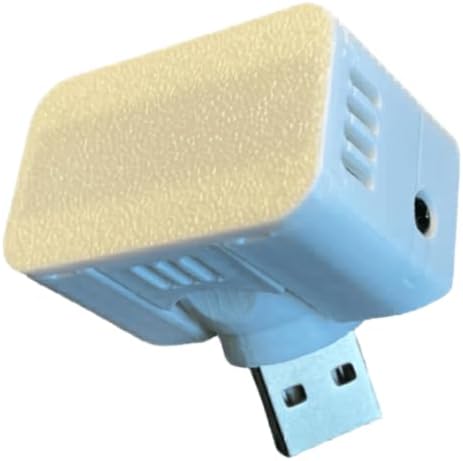


The Akamatis Human Presence & Light Sensor Litos v3 stands out as the top choice for Home Assistant users. It offers reliable detection using mmWave radar while including a light sensor for context aware automation. This combination makes it ideal for lighting control without manual intervention.
We may earn a commission when you buy through this link, at no additional cost to you.
Its use of the HLK-LD2401 radar allows it to detect stationary people effectively. The light sensor matches human eye sensitivity which helps in triggering lights only when it is dark. This level of detail prevents lights from turning on unnecessarily during daylight hours.
While it requires Home Assistant to function it simplifies setup with pre-flashed firmware. The Wi-Fi connectivity means you do not need a separate hub but it relies on your network stability. If your network is robust this is a powerful tool.
For anyone invested in Home Assistant this sensor delivers the most precise local control. It balances cost performance and features better than most competitors. It is the best pick for users who value privacy and customization.
The built-in light sensor allows automations that consider brightness levels alongside presence.
Data stays on your network without cloud processing ensuring better privacy and faster triggers.
We may earn a commission when you buy through this link, at no additional cost to you.
The AKAMATIS Human Presence Sensor v2.2 offers excellent value for Home Assistant users looking for mmWave technology. It brings similar performance to the v3 model but with a more focused feature set. This makes it a great entry point for automated presence detection.
We may earn a commission when you buy through this link, at no additional cost to you.
It features the HLK-LD2410B radar module which handles stationary detection well. The external antenna is a key advantage that boosts Wi-Fi range compared to standard internal antennas. This ensures better stability in larger homes or areas with weak signal.
Setup is straightforward since it comes pre-flashed with ESPHome. You simply connect to the hotspot and enter credentials. While it depends on Home Assistant running it removes the need for third-party cloud services entirely.
This sensor is perfect for budget conscious buyers who do not want to compromise on radar tech. It delivers reliable occupancy tracking without a high cost. If you need to sensor multiple rooms affordably this is the way to go.
The external antenna provides stronger Wi-Fi connectivity for better reliability in large homes.
Pre-flashed firmware means you spend less time configuring and more time automating.
We may earn a commission when you buy through this link, at no additional cost to you.
The Zigbee Human Presence Sensor is designed for users who want broad compatibility. It works with many hubs including Echo devices and SmartThings making it versatile. This flexibility is great if you are not fully committed to Home Assistant yet.
We may earn a commission when you buy through this link, at no additional cost to you.
It uses 24GHz radar to detect stillness ensuring lights stay on while you read. The battery life is impressive at two years which reduces maintenance. Zigbee connectivity means it does not clutter your Wi-Fi network with extra devices.
While you need a hub to use it that setup is often already in place for many smart homes. The detection range is solid at twenty feet which covers most rooms effectively. It is a reliable option for general automation needs.
This sensor is ideal if you value battery life and platform freedom. It handles occupancy well without constant charging. For those who prefer a decentralized network this fits in perfectly.
Two year battery life means minimal maintenance for long term use in hard to reach spots.
Works with Echo SmartThings and Home Assistant giving you freedom to choose your ecosystem.
We may earn a commission when you buy through this link, at no additional cost to you.
The Aqara Presence Sensor FP300 is a high-end option that packs five sensors into one unit. It detects presence along with light temperature and humidity. This makes it a central node for environmental monitoring in your smart home.
We may earn a commission when you buy through this link, at no additional cost to you.
Its AI learning optimizes sensitivity over time to avoid false triggers from pets or drafts. The 60GHz radar is more precise than 24GHz models. While expensive it offers a complete solution for complex automation rules.
Matter support ensures it will work with future standards. However to get the most out of it you need a Thread border router. This adds to the initial setup complexity and cost.
If you want a single device that handles climate and presence this is the best choice. It provides data that other sensors simply cannot. It is worth the investment for a truly smart environment.
Combines presence light temp and humidity into one compact device to save space.
Adaptive learning reduces false triggers caused by environmental factors like drafts.
We may earn a commission when you buy through this link, at no additional cost to you.
The SONOFF SNZB-06P24 stands out with its seven zone detection settings. This lets you customize exactly where it detects presence which is rare for sensors in this price range. It also features a light sensor for context aware lighting.
We may earn a commission when you buy through this link, at no additional cost to you.
Self-learning calibration helps it adapt to your space reducing false triggers. It connects via Zigbee which is efficient for mesh networks. However it requires a constant USB-C power source which limits placement options.
For spaces where placement matters like hallways or large rooms this customization is valuable. You can ignore specific areas to prevent accidental triggers. The light sensor adds utility for daylight harvesting scenarios.
This is a great pick for advanced users who need granular control. If you can run a cable to the sensor it offers high performance. It bridges the gap between simple and complex automation.
Seven configurable zones allow you to ignore areas like windows or corridors.
Ambient light data helps create smarter routines that respect time of day.
We may earn a commission when you buy through this link, at no additional cost to you.
The SONOFF SNZB-06P is a straightforward Zigbee sensor that works well for basic needs. It uses 5.8GHz radar which is reliable for short range detection. The light sensor ensures lights only turn on when it is dark.
We may earn a commission when you buy through this link, at no additional cost to you.
Local scene execution is a strong feature allowing automations to run without internet. This is vital for reliability during outages. It supports many hubs including Echo and Home Assistant for flexibility.
Its simple design makes it easy to place anywhere. The cost is low making it accessible for large scale deployments. While range is limited it works great in standard bedrooms or bathrooms.
If you need a no fuss sensor this is a solid choice. It provides essential features without unnecessary complexity. For those on a tight budget this delivers good value.
Scenes work offline so your lights stay on even if internet is down.
Zigbee connection keeps your network stable while providing low power operation.
We may earn a commission when you buy through this link, at no additional cost to you.
This Zigbee Presence Sensor offers environmental monitoring alongside presence detection. It includes temperature humidity and light sensors in one small device. This data helps automate heating cooling and lighting efficiently.
We may earn a commission when you buy through this link, at no additional cost to you.
The magnetic base makes installation incredibly easy on any metal surface. It also includes tape for other surfaces. With 24GHz radar it detects stillness effectively for reliable occupancy control.
Battery life is strong at multiple months on a single CR2450 cell. This reduces the need for frequent battery changes. It is designed specifically with Home Assistant in mind for local control.
If you want to track climate data along with presence this is a great option. It provides rich data for your dashboards. For small rooms it is a compact solution.
Magnetic base allows for quick placement on refrigerators or metal studs without tools.
Temperature humidity data enables smarter climate control automations.
We may earn a commission when you buy through this link, at no additional cost to you.
The Akamatis Human Presence Sensor v1.3 is a reliable entry into mmWave sensing for Home Assistant. It offers similar performance to newer versions with a proven track record. Users praise its stability and ease of use.
We may earn a commission when you buy through this link, at no additional cost to you.
It uses 24GHz radar to detect people even when sitting still. The Wi-Fi connection means no hub is needed which simplifies setup. It comes pre-flashed with ESPHome for instant use.
Adjustable sensitivity lets you tune it to your environment. The USB-A connector is standard but limits placement compared to newer models. It is a robust choice for general occupancy tracking.
If you prefer a proven model with high satisfaction this is it. It provides consistent performance without complex requirements. For budget home automation this works well.
High user ratings confirm consistent performance and stability over time.
Adjustable sensitivity helps avoid false triggers in noisy environments.
We may earn a commission when you buy through this link, at no additional cost to you.
The WenzhiIoT Smart Motion Sensor offers flexible settings for precise control. It allows you to set sensitivity from one to nine and adjust detection delay. This helps reduce false triggers from pets or moving objects.
We may earn a commission when you buy through this link, at no additional cost to you.
It uses 5.8GHz radar for presence detection. The Zigbee connection requires a hub but works with many including Tuya. It also includes luminance monitoring for lighting automation.
Custom delay time is useful for spaces where people stay briefly. This prevents lights from turning off too soon. At this price point it offers good features for advanced users.
This is a great pick for those who want to tweak settings. It provides more control than standard sensors. For specific needs like delay tuning this is a strong option.
Adjustable delay ensures lights stay on based on your specific activity patterns.
Built-in light sensor supports smart scene linkage with other devices.
We may earn a commission when you buy through this link, at no additional cost to you.
The meross Presence Sensor MS600 is designed for Matter adopters. It connects via Wi-Fi and supports multiple ecosystems including Apple Home and Alexa. The pet-proof shield prevents false triggers from animals.
We may earn a commission when you buy through this link, at no additional cost to you.
It combines radar PIR and light detection for accuracy. This hybrid approach improves reliability in mixed scenarios. While corded it provides consistent power without battery worries.
Local control via Matter ensures low latency. For HomeKit users no hub is needed. This makes it accessible for those using Apple devices. It is a solid step toward future standards.
If you are looking for Matter support this is a top option. It offers broad compatibility without complex setup. For households with pets the shield adds valuable peace of mind.
Included shield filters out triggers from pets or robots so automation stays clean.
Native Matter support ensures compatibility with new ecosystems like Thread.
We may earn a commission when you buy through this link, at no additional cost to you.
Choosing the right sensor involves understanding connectivity, detection tech, and your ecosystem needs.
Radar sensors like mmWave or cmWave detect stationary presence better than PIR. Look for 24GHz or 60GHz models for higher accuracy. This is critical if you need lights to stay on while reading or sleeping.
Prioritize radar over PIR for reliable occupancy tracking.
Wi-Fi sensors connect directly to your router but require Home Assistant or a local hub. Zigbee devices need a bridge but save Wi-Fi bandwidth. Matter devices offer future proofing but often need a border router.
Choose connectivity based on your existing smart home setup.
Battery powered sensors offer flexible placement but need periodic changes. Wired USB sensors are reliable and easy to power but limit where you can place them. Consider your installation ease before buying.
Balance placement flexibility with maintenance requirements.
Sensors with light temperature or humidity data enable smarter automations. If you want to track climate alongside presence look for 5-in-1 models. This adds value without buying separate devices.
Integrated sensors simplify your dashboard and reduce device count.
Ensure the sensor works with your existing hubs or Home Assistant directly. Some require specific Zigbee hubs or Matter controllers. Compatibility saves you from needing extra bridges.
Check platform support before buying to avoid extra hardware.
Most sensors cover up to 20 feet which is enough for standard rooms. Wide field of view like 110 degrees helps cover more area. For large rooms consider sensors with zone positioning.
Match range and FOV to your room size for best results.
Local control keeps data on your network and improves response time. Cloud devices can be slower and less private. Prefer models that work with Home Assistant directly for privacy.
Local first options ensure better privacy and speed.
Pre-flashed firmware reduces configuration time. If a sensor requires manual flashing it may be too technical for casual users. Check for plug and play features.
Look for ready-to-use firmware for quick deployment.
Install the sensor at eye level or higher for best detection range. Avoid placing it directly in front of windows or heating vents as these can cause false triggers. Ensure the device has clear line of sight to the area you want to monitor.
Connect the device to your Home Assistant instance using the provided app or Zigbee integration. Run calibration mode for ten minutes to teach it the environment. This helps reduce false alarms from pets or moving objects.
For battery powered sensors check charge levels every three months. For wired ones ensure cables are secured to avoid accidental disconnections. Keep firmware updated to maintain performance and security.
These sensors use radar to detect movement and stillness. They send signals to your Home Assistant which triggers lights or alarms. This ensures lights stay on even when you are not moving.
It depends on the model. Some use Wi-Fi or Matter which need no extra hub. Zigbee models require a hub or bridge to connect to your network. Check product details before buying.
Many have pet-proof settings or filters to ignore small movements. Adjust sensitivity or use specific modes to avoid false triggers. Some include shields for extra protection.
mmWave radar detects stationary presence while PIR requires motion. Radar is better for rooms where people stay still like offices. PIR is cheaper but less reliable for occupancy.
Local control sensors like Home Assistant ones keep data private. Cloud based sensors may send data to servers. Choose local first for better privacy and speed.
Battery life varies by usage. Most Zigbee sensors last two years on AA or AAA batteries. Wired models have no battery concerns.
Many support multiple platforms like Alexa or Google Home. Zigbee sensors work with hubs that integrate with these platforms. Check compatibility before purchase.
This happens with PIR sensors. Switch to mmWave presence sensors to solve this. They detect stillness so lights stay on while you read.
This guide has covered the top options including Akamatis Litos v3 and Aqara FP300. Each offers unique strengths whether you prioritize local control or ecosystem compatibility.
Prioritize sensors that support mmWave radar and work with your existing setup. Local control ensures faster and more reliable automation for your daily needs.
Prices and availability change often so check current listings before buying. Selecting the right sensor will elevate your smart home experience significantly.