
Intraoral Camera USB Dental Camera 6mm Lens Dual Capture Button
Slim 6mm mini lens tip
Dual control buttons for flexibility
Plug and play USB 2.0
A high quality dental camera transforms how practitioners document oral health and communicate with patients. These devices capture sharp images of teeth and gums, making it easier to spot issues early and explain treatment needs clearly.
We evaluated ten popular models based on resolution, lens design, connectivity options, and software compatibility. Each product offers unique features like wireless charging or ultra thin probes to suit different clinical workflows and budgets.
Every pick includes detailed specs and real user feedback to help you decide. Prices fluctuate often so check current listings before purchasing. This list covers everything from entry level tools to advanced diagnostic systems.

4.5Editor score

As an Amazon Associate we earn from qualifying purchases.
This side-by-side comparison highlights key differences across all ten models. Look closely at lens size resolution and software support to find the right fit for your practice or personal needs.
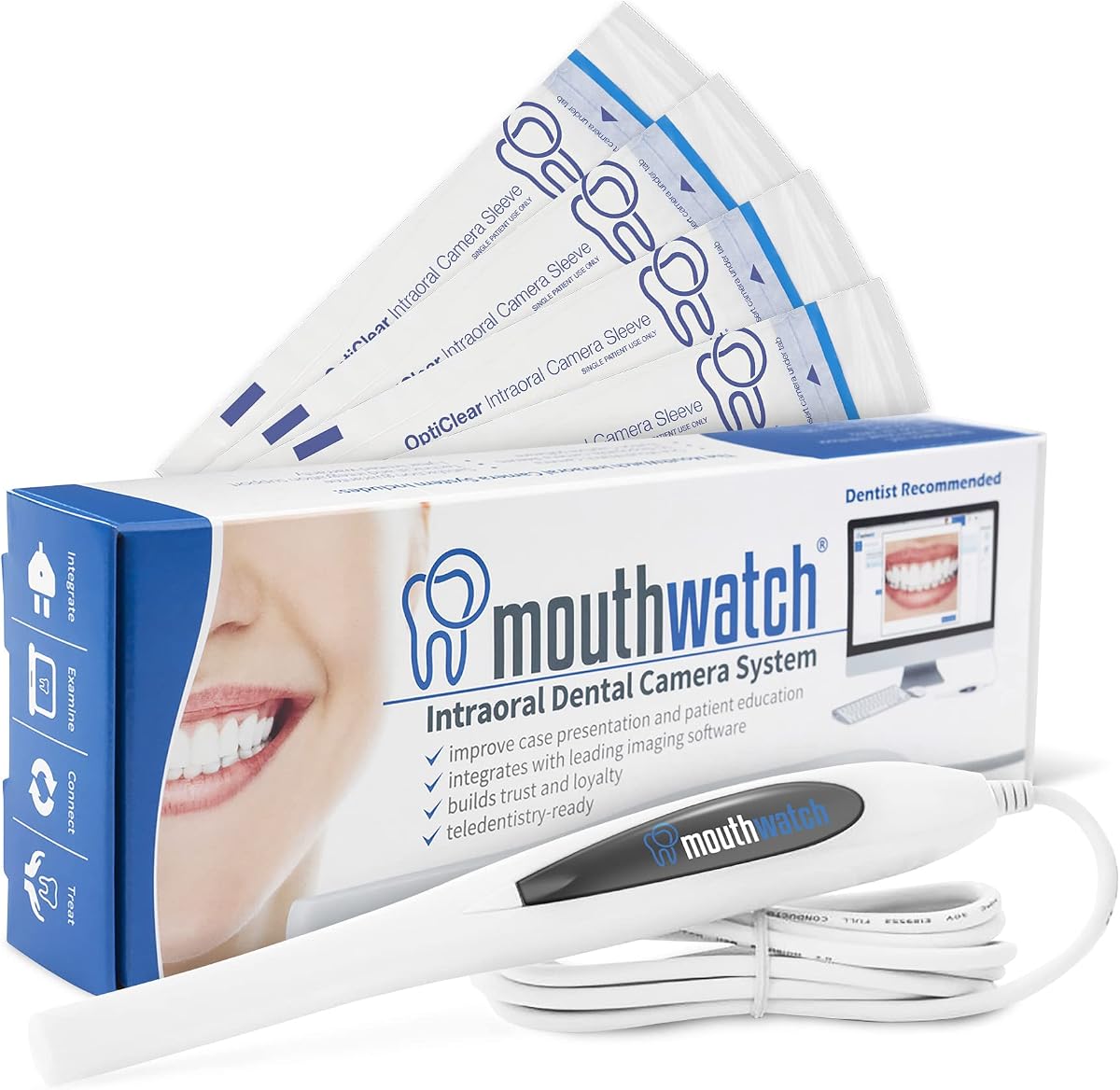


This model leads our list with a 4.5 star rating and robust integration support. It delivers crystal clear images suitable for detailed dental examinations. The included driver ensures the capture button works seamlessly with major software suites.
We may earn a commission when you buy through this link, at no additional cost to you.
Its ergonomic design makes it easy to take pictures from upper and lower arches. The non-spherical lens reduces distortion. Automatic power-off helps save energy when not in use. It connects directly via USB without extra hardware.
Users must verify their software is on the supported list before buying. This constraint may limit flexibility for clinics using niche systems. However for most common platforms are covered making setup straightforward for typical practices.
Ideal for dentists needing reliable image capture without complex setup. It balances price and performance well. We recommend checking compatibility first. This camera simplifies documentation and enhances patient communication effectively.
The capture button driver allows direct work with over thirty popular dental imaging suites including Eaglesoft and Dexis.
Ergonomic shape ensures steady hands during exams reducing fatigue during long patient visits.
We may earn a commission when you buy through this link, at no additional cost to you.
Praised for its speed and clarity this camera wins on ease of use. It avoids lag when capturing photos helping patients see treatment needs instantly. Its light weight makes it comfortable for extended clinical sessions.
We may earn a commission when you buy through this link, at no additional cost to you.
The fixed focal distance eliminates waiting for auto-focus hunting. This design choice boosts efficiency during busy days. A proprietary capture software helps it integrate with major suites like Eaglesoft and Dexis effortlessly.
Lacking zoom or adjustable focus may limit use in tight spaces. But its reliability and clear output outweigh this for most general exams. It is a solid pick for quick diagnostic needs.
Best for clinics prioritizing speed and patient education. Its simple operation reduces training time. Support is responsive ensuring smooth setup. Choose this for consistent results without technical hassles.
One-click capture saves time during every patient interaction enabling faster documentation.
Fixed focus distance ensures clear images without delays from auto-focus hunting.
We may earn a commission when you buy through this link, at no additional cost to you.
This model stands out with 4X zoom allowing detailed views of specific tooth areas. It delivers 720P HD images via USB for clear documentation. The included driver enables button work with common suites like Dexis and Eaglesoft.
We may earn a commission when you buy through this link, at no additional cost to you.
Its USB connection ensures easy plug-and-play setup without extra hardware. The design simplifies capturing hard-to-see areas. This feature helps dentists explain cavities or cracks more effectively to patients.
Compared to higher resolution models its image quality may not match top-tier options. Also verify your software is supported. Despite these limits its zoom function offers unique value for focused dental exams.
Ideal for dentists needing close-up details without costly upgrades. It fits well in budget-conscious practices. Check software compatibility before purchase. This camera balances utility and cost well for routine care.
4X zoom helps identify small flaws like micro-cracks or early decay.
Direct USB connection avoids complex drivers making it ready to use quickly.
We may earn a commission when you buy through this link, at no additional cost to you.
Wireless tech defines this model offering flexibility during exams. It uses a 13MP sensor and smart autofocus for crisp images. Eight LEDs provide full illumination inside the mouth for clear views.
We may earn a commission when you buy through this link, at no additional cost to you.
A wireless charging base keeps it ready without cable hassle. Anti-fog coating ensures reliability in moist environments. This design suits mobile setups or clinics avoiding cable clutter.
Battery management adds complexity compared to USB powered units. Some users may find the price steep. But the mobility gain often justifies the cost for flexible workflows.
Best for dentists wanting cable-free operation. It supports mobile setups well. Ensure charging habits match clinic needs. This camera brings convenience and high resolution together.
Wireless transmission removes cables allowing free movement during patient care.
Eight LEDs eliminate dark corners for consistent visibility.
We may earn a commission when you buy through this link, at no additional cost to you.
This model saves energy by turning off automatically when placed in its holder. It works on various Windows versions. The capture app ensures buttons work with suites like Dexis and Opendental.
We may earn a commission when you buy through this link, at no additional cost to you.
USB 2.0 connectivity simplifies setup. It supports many American imaging software. This flexibility helps clinics integrate without changing workflows. Quick connect/disconnect aids fast switching.
User ratings suggest occasional compatibility hurdles. Ensure your software is listed. Still energy efficiency and broad support make it a strong contender for general practices.
Best for clinics valuing power savings. It simplifies workflow. Test software before bulk use. This camera offers practical features at a fair cost.
Auto power off reduces waste when camera sits idle in holder.
Compatible with major suites ensuring easy integration into existing records.
We may earn a commission when you buy through this link, at no additional cost to you.
A 6mm lens reaches back molars easily making exams comfortable. It includes dual buttons for flexible left or right hand use. A magnetic holder auto turns off lights to extend service life.
We may earn a commission when you buy through this link, at no additional cost to you.
High resolution CMOS sensor delivers sharp pictures. Plug-and-play USB design avoids extra drivers. This simplicity suits daily check-ups and patient education needs well.
Specific software lists are not detailed so test before committing. Still its slim design boosts patient comfort. This is a practical tool for general monitoring.
Ideal for clinics needing easy access to tight spaces. It supports personal monitoring too. Check software fit before use. This camera balances access and clarity.
Slim 6mm lens reaches back molars without forcing mouth open.
Dual buttons let users choose comfortable hand orientation.
We may earn a commission when you buy through this link, at no additional cost to you.
This model promises wide compatibility with all dental software. It uses a 13MP CMOS sensor for sharp exams. Dual buttons enable flexible capture during procedures.
We may earn a commission when you buy through this link, at no additional cost to you.
A standard magnetic mount auto turns off lights when hung. This saves energy and prolongs LED life. USB 2.0 provides instant power via laptop or desktop.
Focus range covers 10 to 40mm which suits most needs. Still generic compatibility claims should be tested. This model is a strong choice for versatile setups.
Best for clinics seeking broad software support. It balances cost and features well. Test with your system first. This camera simplifies daily dental documentation.
Auto light off via magnetic mount cuts waste and extends lifespan.
Claims support for all dental software increasing adaptability.
We may earn a commission when you buy through this link, at no additional cost to you.
This camera stands out for its built-in diagnostic software. It can analyze images and mark oral conditions automatically. A 5mm probe with anti-shake ensures steady crisp views.
We may earn a commission when you buy through this link, at no additional cost to you.
Zero latency transmission aids quick patient communication. Over fifty integrations support major suites. Simple tutorials help users connect within minutes. This boosts efficiency in clinical settings.
Diagnostic features may vary in accuracy or availability. Test reports for your needs. Still its focus on clinical workflow offers clear value for busy practices.
Best for clinics wanting deeper analysis tools. It supports patient education well. Ensure software needs match before buying. This camera aids accurate assessments.
Built-in tools analyze images to identify conditions quickly.
Anti-shake design prevents blurry photos during manual capture.
We may earn a commission when you buy through this link, at no additional cost to you.
An upgraded 4.8mm ultra-thin probe fits small mouths easily. It captures detailed images with high-brightness LEDs. Dual buttons support flexible left or right hand use.
We may earn a commission when you buy through this link, at no additional cost to you.
Magnetic holder turns lights off automatically. USB 2.0 connects directly to computers. This simplicity makes it ideal for daily check-ups and home monitoring.
Verify device compatibility since specific requirements are not detailed. Its comfort-focused design suits sensitive patients well. It serves both clinics and personal health needs.
Best for clinics prioritizing patient comfort. It works for home monitoring too. Check device specs before purchase. This camera maximizes comfort and clarity.
Thin probe reduces mouth opening stress during exams.
Eight LEDs ensure clear views in dark areas.
We may earn a commission when you buy through this link, at no additional cost to you.
This tool works great on mobile devices for personal care. It offers magnified views and OTG Android support. Six LEDs provide shadow-free illumination for surface details.
We may earn a commission when you buy through this link, at no additional cost to you.
IP67 water resistance allows safe rinsing after use. A 3-in-1 connector fits various devices. This makes it a versatile inspection tool for home users.
Not compatible with iPhone or iPad which limits iOS users. Windows and Android users gain flexibility. It bridges the gap between clinic quality and home use.
Best for personal oral health monitoring. It helps spot hidden areas. Check device compatibility before buying. This camera brings professional clarity home.
Works well for personal routine checks via smartphone.
Water-resistant design supports frequent cleaning.
We may earn a commission when you buy through this link, at no additional cost to you.
Selecting the right camera involves balancing features with budget. These factors help you compare models effectively.
Resolution determines how much detail appears in your dental photos. Higher resolution like 13MP or 1920P shows finer cracks or plaque. Clear images help diagnose problems accurately and improve patient understanding.
Prioritize resolution that fits your workflow without unnecessary cost.
Your camera must connect with existing records software. Check if the model supports your suite like Dexis or Eaglesoft. Some need drivers or specific software. Ensure button functions work as expected.
Confirm compatibility before buying to avoid integration delays.
Thinner probes like 4.8mm or 6mm reach back teeth easier. They reduce mouth opening discomfort especially for sensitive patients. Consider ergonomics and lens length for comfortable clinical use.
Choose a lens size that balances access and patient comfort.
USB connections are stable and cheap but wired. Wireless models offer mobility but need charging bases. Decide if cable clutter matters. Wireless suits mobile setups while USB suits fixed clinics.
Match connectivity to your clinic layout and mobility needs.
LED count and brightness affect visibility inside the mouth. Eight LEDs often eliminate dark spots better than fewer. Uniform light ensures accurate assessment of gum and tooth surfaces.
Opt for models with enough LED coverage for dark areas.
Prices range from entry level to premium wireless models. Higher cost brings wireless features or better sensors. Balance features against daily use. Budget models still capture clear diagnostic data.
Pick a model that fits your budget without sacrificing clarity.
Lightweight handles reduce strain during long exams. Heavier cameras fatigue hands faster. Ergonomic shapes improve grip and steadiness. This matters for consistent image quality over many patients.
Select a design that feels comfortable in your hand.
Some cameras include diagnostics or auto-focus capabilities. Others offer magnetic holders for energy saving. These extras add value if they match your needs. Avoid paying for unused tech.
Choose features that directly improve your workflow.
Always test camera software before using with patients. Check driver settings and integration steps. Ensure button capture triggers images correctly. Clear instructions help avoid delays during exams.
After each use clean the probe gently with provided wipes. Avoid submerging unless rated IP67. Store the unit in its holder to extend light life. This keeps lenses clear and safe.
Check cable connections regularly for wear. Replace damaged parts quickly to prevent failure. Update software drivers as needed for stability. Proper care ensures your investment lasts.
Many models support major suites like Dexis and Eaglesoft but always check the product list. Some require included drivers. Verify compatibility before buying to avoid integration issues.
Most have anti-fog or washable coatings. Clean probes with soft wipes after each use. Check if the unit is IP67 water-resistant. Avoid harsh chemicals to protect the lens.
No most USB models work plug-and-play. Some include capture drivers to help button functions. Avoid buying extra hubs unless your computer lacks ports. Direct connection simplifies setup.
Resolution above 720P usually suffices for clear clinical detail. Higher resolution helps with complex diagnostics. Match resolution to your needs. Avoid unnecessary specs if budget is limited.
Wireless cameras offer flexibility but need battery management. Charging bases ensure readiness. They suit clinics avoiding cable clutter. Test connection stability in your setup for smooth operation.
Some models support Android via OTG. iOS support is rare. Check device compatibility before buying. Mobile use suits home monitoring. Clinics usually prefer stable wired setups.
Install included capture drivers to link buttons with software. Recheck settings if issues persist. Ensure software matches the model list. Contact support for help if needed.
Most offer one-year warranties. Check terms for parts or labor. Brands often include email or phone support. Keep receipts for claims. Support availability matters for long-term use.
The DY-50 and wireless models lead with integration and mobility. Budget options like the 6mm lens cameras offer clarity at lower costs. Pick features matching your workflow needs.
Prioritize compatibility and comfort to save time. Clear images improve patient trust and diagnosis. Avoid overpaying for unused tech. Ensure your camera fits daily practice.
Prices change often so verify current listings before buying. Review your software and budget needs. A right camera improves documentation significantly. Trust reliable models for daily dental care.