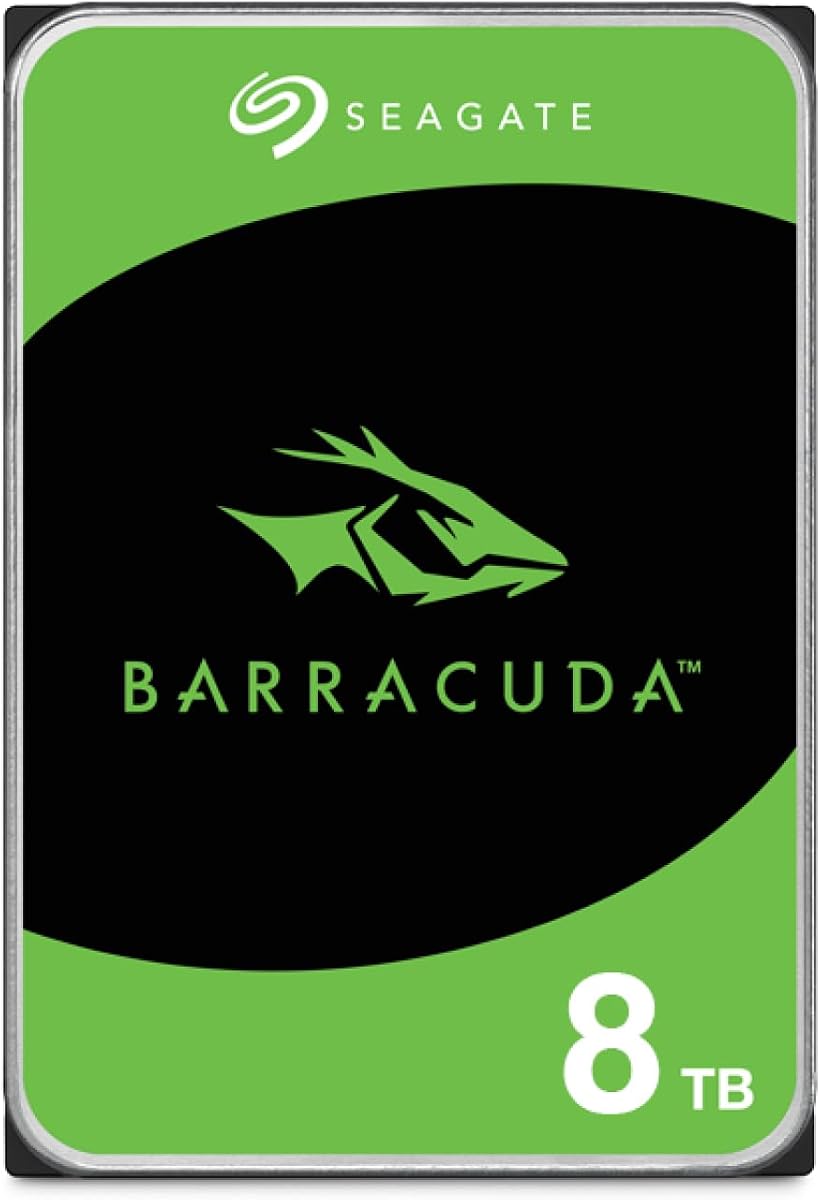
Seagate BarraCuda 8TB
4.7Editor score
190MB/s sustained transfer
Proven reliability over years
Wide capacity availability
Choosing the right hard drive for RAID 0 is critical for maximizing speed and storage capacity in demanding computing environments. You need drives that can handle high throughput while maintaining stability under continuous load to ensure your data remains accessible and fast.
We compared ten top-rated internal hard drives specifically suited for RAID configurations. Our analysis focuses on spindle speed, cache size, workload ratings, and manufacturer warranties to help you identify the most reliable options for your specific needs.
Each pick in this list highlights key strengths and potential trade-offs for different user profiles. Keep in mind that availability and pricing fluctuate frequently, so verify current stock and offers before making your final purchase decision for your system.
4.7Editor score

4.0Editor score

4.6Editor score
As an Amazon Associate we earn from qualifying purchases.
The following table provides a side-by-side comparison of the ten selected hard drives, highlighting their capacity, interface speed, RPM, cache size, and key reliability features to assist in your selection process.

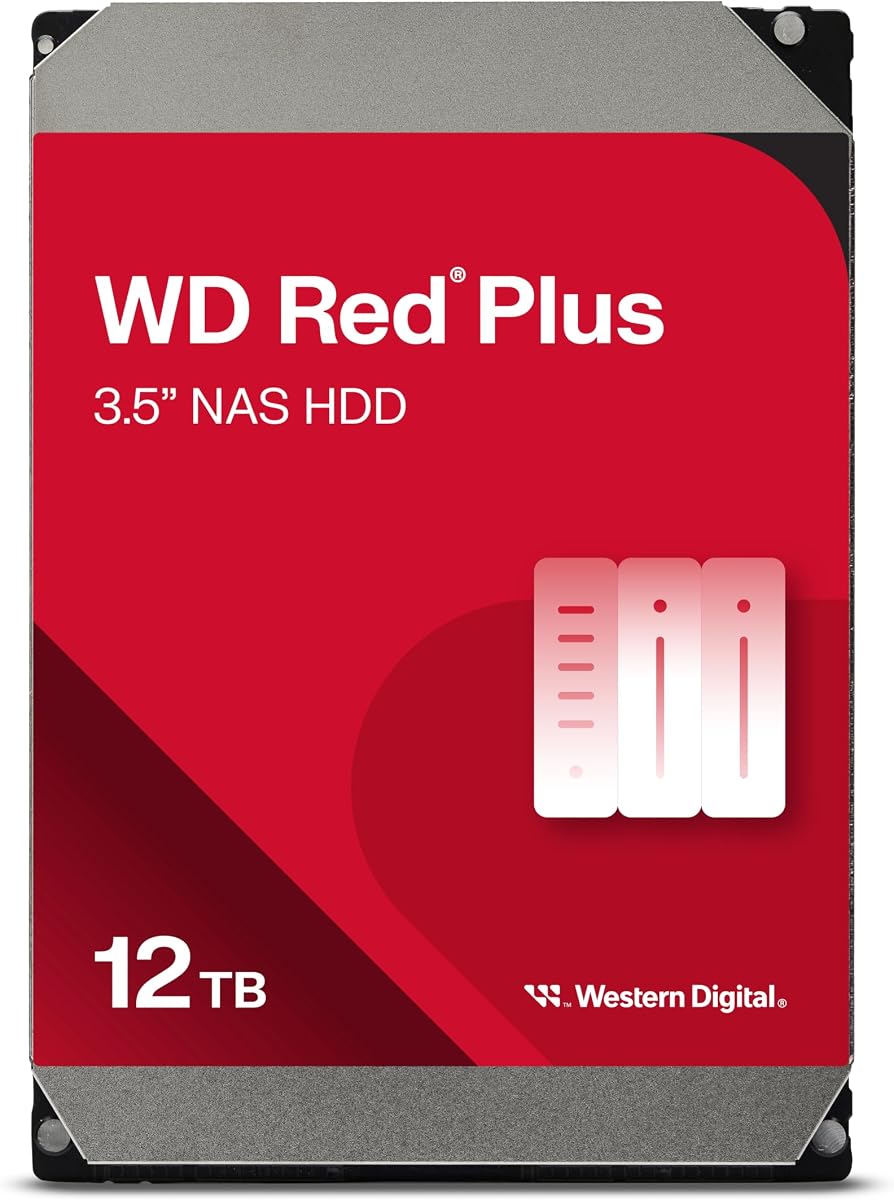
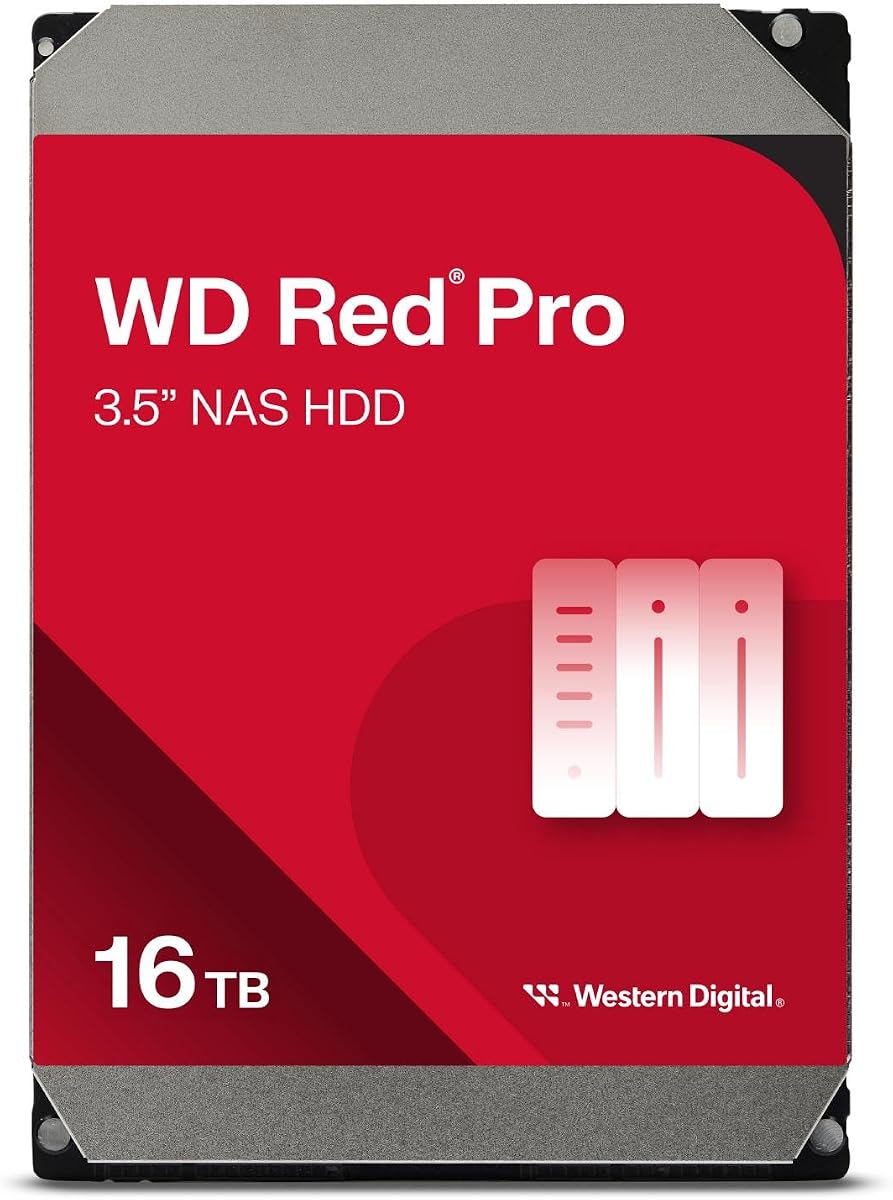


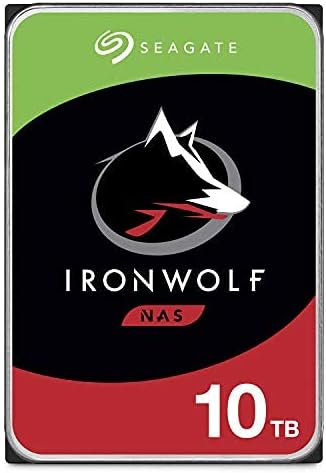

The Seagate IronWolf Pro 16TB is a top-tier choice for demanding RAID 0 environments that require massive storage and consistent speed. It holds a strong rating among users who prioritize reliability in professional settings over casual use cases.
We may earn a commission when you buy through this link, at no additional cost to you.
Its All-CMR portfolio ensures that data writing remains stable and predictable even under heavy loads. The drive supports up to 550TB per year workload rating which exceeds most consumer needs. This makes it ideal for continuous operation in high throughput scenarios.
While it offers excellent performance, the higher cost compared to standard desktop drives is a trade-off. However, the included data recovery services and long warranty make this expense justified for users who cannot afford data loss.
If you need a large capacity drive that can handle enterprise-level workloads without faltering, this is a recommended option. It balances speed and durability effectively for serious storage solutions.
AgileArray technology with dual-plane balancing ensures top RAID performance in multi-bay environments.
Complimentary 3 year Rescue Data Recovery Services offer a zero-cost recovery experience if issues arise.
We may earn a commission when you buy through this link, at no additional cost to you.
The Seagate BarraCuda 8TB stands out as an excellent value proposition for users needing substantial storage without breaking the bank. It maintains a high user rating due to its consistent performance across various PC applications.
We may earn a commission when you buy through this link, at no additional cost to you.
Boasting a sustained transfer rate of 190MB/s this drive handles video editing and gaming workloads well. The proven reliability backed by twenty years of innovation gives users confidence in its longevity for general computing tasks.
It is important to note that this is a desktop drive and not specifically optimized for 24/7 server use. While it works in RAID 0 for light tasks, it may not sustain heavy continuous loads as well as NAS drives.
For home users or enthusiasts building a power house gaming computer the BarraCuda offers a solid balance of size and cost. It is a reliable choice for storing large media libraries effectively.
Internal hard drive technology backed by 20 years of innovation ensures consistent performance.
The go to SATA hard drive solution for nearly every PC application from music to video to photo editing.
We may earn a commission when you buy through this link, at no additional cost to you.
The Western Digital Ultrastar 24TB offers a massive storage capacity ideal for hyperscale environments and big data applications. It receives strong ratings for its ability to store vast amounts of data reliably in enterprise settings.
We may earn a commission when you buy through this link, at no additional cost to you.
With a high 2.5 million hours MTBF rating this drive is engineered for durability and dependability. It utilizes Conventional Magnetic Recording technology to ensure consistent performance across various demanding server workloads.
Being a renewed product it may come with varying cosmetic conditions but functions to enterprise standards. Users should be prepared for specific setup requirements typical of enterprise hardware compared to standard consumer drives.
If your project requires enormous storage density and robust performance this drive is a powerful option. It delivers fast predictable performance suitable for critical data center applications.
Engineered for massive scale-out high-density data centers and cloud storage applications.
Designed for 24/7 operation with a high MTBF rating ensuring enterprise-class durability.
We may earn a commission when you buy through this link, at no additional cost to you.
The Seagate IronWolf Pro 4TB is an ideal solution for multi-user NAS server environments that demand powerhouse performance. It is highly rated for its ability to store more and work faster in networked storage setups.
We may earn a commission when you buy through this link, at no additional cost to you.
Specifically built to reduce wear and tear this drive ensures little to no noise and vibration during operation. The integrated IronWolf Health Management system allows users to easily monitor drive health and prevent issues before they escalate.
It includes a three-year Rescue Data Recovery Service which adds significant value for protecting important files. While the cache is smaller than 16TB models it still delivers up to 214MB/s sustained transfer rates.
For users building a NAS system up to 24-bay this drive offers a great balance of speed and protection. It provides extra data protection even in the event of power loss ensuring data safety.
Easily monitor NAS drive health using the integrated system for long-term reliability.
Built for increased file-sharing performance and lower power consumption in NAS enclosures.
We may earn a commission when you buy through this link, at no additional cost to you.
The Western Digital WD Red Plus 12TB is designed for small or medium business NAS systems in a 24×7 environment. It holds a moderate rating reflecting its specific use case in business settings rather than general consumer use.
We may earn a commission when you buy through this link, at no additional cost to you.
This drive supports up to 180 TB per year workload rate making it suitable for consistent data transfer needs. The NASware firmware ensures compatibility with a wide range of NAS enclosures for optimum performance.
Unlike desktop drives these are specifically tested for NAS compatibility to avoid errors in RAID configurations. The 512 MB cache helps in managing data flow efficiently during high traffic periods.
If you need a reliable 12TB drive for business NAS storage this model is a solid choice. It balances capacity with the stability needed for continuous operation.
NASware firmware for compatibility with small or medium business NAS systems.
Supports up to 180 TB/yr workload rate defined by annualized data transferred.
We may earn a commission when you buy through this link, at no additional cost to you.
The WD Red Pro 16TB is designed to handle the demands of high-intensity 24×7 multi-user NAS environments. It is optimized for RAID systems with unlimited number of bays offering maximum flexibility for storage expansion.
We may earn a commission when you buy through this link, at no additional cost to you.
Rated for 550TB per year workload rate this drive is built for heavy duty usage scenarios. Western Digital partners with various NAS vendors to ensure compatibility with most enclosures in the market.
It is important to understand that the workload rate varies depending on hardware and software components. This drive is a premium choice for those needing high capacity and robust performance in professional setups.
If your network requires extensive storage and continuous operation the Red Pro delivers necessary stability. It is a reliable option for demanding business NAS configurations.
For RAID-optimized NAS systems with unlimited number of bays.
Western Digital partners with a wide range of NAS system vendors for extensive testing.
We may earn a commission when you buy through this link, at no additional cost to you.
The Seagate IronWolf 10TB is optimized with AgileArray for RAID ensuring robust performance in multi-user NAS workloads. It holds a high user rating for its balance of capacity and reliability in professional storage arrays.
We may earn a commission when you buy through this link, at no additional cost to you.
With up to 210MB/s sustained data transfer this drive handles heavy file sharing and backup tasks efficiently. It includes rotational vibration sensors to protect data integrity in multi-bay environments where vibration is common.
The drive also includes a 3-Year Rescue Data Recovery Service with a high industry success rate. This provides peace of mind for users storing critical data who want a safety net against drive failures.
For a 10TB RAID setup this model offers excellent value and performance consistency. It is a strong choice for multi-user NAS environments craving powerhouse performance.
Optimized with AgileArray for RAID dual-plane balancing and error recovery.
Includes 3-Year Rescue Data Recovery Service with industry-leading 95% recovery success rate.
We may earn a commission when you buy through this link, at no additional cost to you.
The Seagate IronWolf 10TB is an ideal solution for up to 8-Bay multi-user NAS environments craving powerhouse performance. Users appreciate its ultra-high capacity combined with a robust 256MB cache for improved read and write times.
We may earn a commission when you buy through this link, at no additional cost to you.
Purpose built for NAS enclosures this drive delivers less wear and tear and increased file-sharing performance. You can easily monitor the health of drives using the integrated IronWolf health management system.
While it carries a standard three-year warranty the long-term reliability of 1M hours MTBF supports its use in critical systems. It offers a balance of capacity and performance suitable for growing storage needs.
If you need a reliable drive for an 8-bay NAS array this model fits well. It ensures consistent performance and data protection for networked storage setups.
Purpose built for NAS enclosures IronWolf delivers less wear and tear.
Easily monitor the health of drives using the integrated IronWolf health management system.
We may earn a commission when you buy through this link, at no additional cost to you.
The Seagate IronWolf 10TB CMR variant is the ideal solution for up to 8-bay multi-user NAS environments craving powerhouse performance. It stands out for delivering ultra-high capacity with a substantial 256MB cache for smoother operations.
We may earn a commission when you buy through this link, at no additional cost to you.
Purpose built for NAS enclosures this drive ensures increased file-sharing performance and reduced wear and tear. You can monitor drive health effectively using the integrated IronWolf Health Management system.
Enjoy long-term reliability with 1M hours MTBF ensuring the drive can handle continuous operation tasks. The three-year limited protection plan provides additional security for your investment in data storage.
For a 10TB RAID setup this CMR version offers consistent performance over time. It is a reliable choice for storing large files in a networked environment.
CMR 3.5 Inch SATA 6Gb/s 7200 RPM 256MB Cache for RAID Network Attached Storage.
Easily monitor the health of drives using the integrated IronWolf Health Management system.
We may earn a commission when you buy through this link, at no additional cost to you.
The Western Digital WD Red Plus 14TB offers a high capacity option with a focus on power efficiency for small or medium business NAS systems. It is a popular choice for users needing large space without high power consumption.
We may earn a commission when you buy through this link, at no additional cost to you.
This model uses CMR technology which is distinguished from SMR drives to ensure better reliability and performance. The 5400 RPM performance class provides a balance between capacity and energy efficiency for 24×7 environments.
It supports up to 180 TB per year workload rate and includes a 3-year limited warranty. However, the lower RPM means it is not the best choice for workloads requiring maximum sequential read speeds.
If you prioritize capacity and power savings over raw speed this drive is a solid option. It provides reliable storage for archival and backup purposes in NAS setups.
This model uses CMR technology and is being renamed WD Red Plus to distinguish it from SMR.
5400RPM performance class offers power savings for continuous 24×7 operation.
We may earn a commission when you buy through this link, at no additional cost to you.
Selecting the right hard drive for RAID 0 involves evaluating several critical factors to ensure performance and reliability meet your needs.
Determine how much storage you need for your data. RAID 0 splits data across drives so total capacity is the sum of all drives used. If you need 10TB total you might pair two 5TB drives. Larger drives like 16TB or 24TB options reduce the number of drives needed which simplifies physical setup and wiring.
Choose a capacity that fits your long-term storage plans to avoid running out of space quickly.
Spindle speed affects how fast the drive can read and write data. 7200 RPM drives are standard for performance RAID setups providing faster access times compared to 5400 RPM models. For RAID 0 where speed is key 7200 RPM is generally recommended to maximize throughput.
Opt for 7200 RPM drives to ensure the RAID array delivers the high performance expected.
Cache size helps the drive manage data transfers more efficiently. Larger caches like 256MB or 512MB allow for smoother operations during heavy file transfers. A larger buffer can improve sustained read and write speeds significantly in RAID environments.
Look for drives with at least 256MB cache to support better data flow and performance.
Workload rating indicates how much data the drive can safely handle per year. Enterprise or NAS drives often have ratings up to 550TB/year which is higher than standard desktop drives. Higher workload ratings are beneficial for continuous operation in RAID configurations.
Select a drive with a workload rating that matches your daily data transfer volume.
Conventional Magnetic Recording (CMR) is preferred over Shingled Magnetic Recording (SMR) for RAID. CMR drives do not suffer from the write slowdowns common with SMR drives during heavy usage. Ensure the drive uses CMR technology to avoid performance degradation in a RAID 0 array.
Verify the drive uses CMR technology to maintain consistent performance in RAID setups.
A longer warranty period provides peace of mind for your investment. Many NAS and enterprise drives offer 5-year warranties compared to 3 years for standard desktop drives. Some also include data recovery services which can be vital if a drive fails.
Check the warranty length and included services to ensure long-term protection for your data.
The interface speed determines the maximum data transfer rate the drive can handle. SATA 6 Gb/s is the current standard and supports sufficient bandwidth for most RAID 0 setups. Ensure the drive controller and cables support this speed to avoid bottlenecks.
Use SATA 6 Gb/s interfaces to prevent interface bottlenecks and maximize drive speeds.
Some drives are specifically optimized for RAID environments with features like TLER or RV sensors. These features help maintain array stability during errors or vibration in multi-bay enclosures. Using RAID optimized drives reduces the risk of drive dropouts in the array.
Choose RAID optimized drives to ensure stability and compatibility with your hardware.
Install the drives in a compatible enclosure or RAID controller that supports the number of drives you have. Ensure proper mounting to reduce vibration and secure all SATA data and power connections before powering on.
Configure your RAID 0 array through the BIOS or dedicated RAID software. During setup ensure you initialize the array and create the volume so it is recognized by your operating system as a single drive.
Regularly monitor drive health using manufacturer tools or RAID management software. Keep firmware updated to avoid compatibility issues and maintain a backup of critical data since RAID 0 offers no redundancy against drive failure.
The best hard drive depends on your needs but Seagate IronWolf Pro 16TB is excellent for enterprise performance. For budget options Seagate BarraCuda 8TB works well for general use. Always ensure drives are CMR and 7200 RPM for optimal speed.
RAID 0 does not strictly require specific drives but using matching drives with similar specs ensures best performance. Drives optimized for RAID like IronWolf or WD Red Pro help prevent dropouts in multi-drive arrays.
Capacity needs depend on your data storage requirements. Calculate total storage needed then divide by the number of drives you plan to use. For example 20TB total with two drives requires 10TB per drive.
You can mix brands but performance may vary due to different specs and cache sizes. It is recommended to use identical models to avoid uneven wear and potential compatibility issues during operation.
If one drive fails in RAID 0 all data in the array is lost because data is striped across drives. Always maintain a separate backup solution to protect against data loss from drive failure.
Yes CMR is significantly better for RAID because it does not have the write slowdowns of SMR. SMR drives can cause performance issues and potential data loss in RAID configurations due to rewriting techniques.
Use manufacturer tools like Seagate IronWolf Health Management or WD Dashboard to check drive health. You can also use third party software to monitor SMART data and temperature for early warning signs.
Most enterprise NAS drives have an MTBF rating of 1M to 2.5M hours indicating long lifespan. With proper cooling and regular use they can last many years but backups are still critical for data safety.
Choosing the right hard drive for RAID 0 sets the foundation for a fast and reliable storage solution. Whether you need enterprise power or budget efficiency this guide highlights options that meet different performance and capacity needs.
Prioritize CMR technology 7200 RPM speeds and sufficient cache to maximize your array performance. Matching drive specs ensures consistent operation and helps prevent potential compatibility issues during setup.
Keep in mind that pricing and availability change frequently so check current offers before finalizing your purchase. Verify warranty details and included services to ensure your investment is protected over time.