
AIMILER Level 2 Electric Vehicle Charger
4.6Editor score
32A adjustable amperage
ETL certified safety
WiFi app monitoring
This guide compares the top Ev DC Chargers for home and commercial use, analyzing speed, smart features, safety certifications, and compatibility to help you
Choosing the right charging station is essential for electric vehicle owners who want reliable home or commercial charging solutions. Ev DC Chargers offer fast, efficient power delivery that keeps your vehicle ready for daily drives without long wait times.
We have evaluated ten top-rated models based on charging speed, smart app integration, build quality, and safety certifications. Each product was analyzed for compatibility with various EV brands and ease of installation to ensure you find the best fit.
Every pick in this guide highlights key features and real-world performance to help you make an informed decision. Please note that product prices and availability can change frequently, so check current listings before purchasing your ideal station.
4.6Editor score
4.7Editor score

4.3Editor score
This side-by-side comparison helps you quickly identify the key specifications and capabilities of each charger model to streamline your decision-making process.




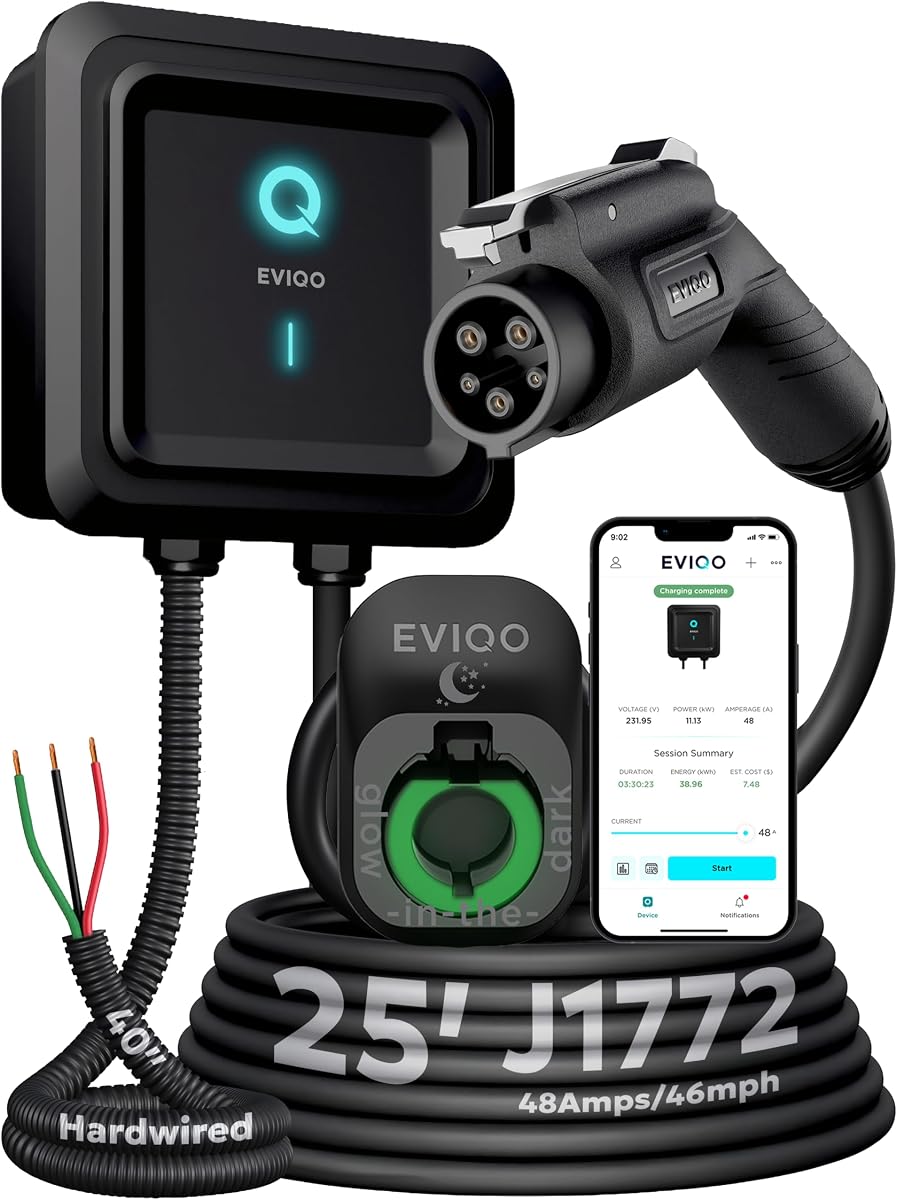
This hardwired charger delivers 48A of power for rapid charging sessions and earned a high 4.7 rating from users who value speed and reliability.
We may earn a commission when you buy through this link, at no additional cost to you.
Its universal J1772 connector supports all non-Tesla EVs without adapters while the smart app lets you control charging remotely and track energy usage.
Though it requires a licensed electrician for installation, the durable IP66 housing and steel shielding ensure long-term performance in any weather condition.
Homeowners seeking fast reliable home charging with smart scheduling and universal compatibility will find this model an excellent investment for their needs.
The 48A output significantly reduces charging times compared to lower amperage models making it ideal for larger battery EVs.
The app allows remote start and stop plus usage tracking so you can optimize charging during off-peak energy hours.
We may earn a commission when you buy through this link, at no additional cost to you.
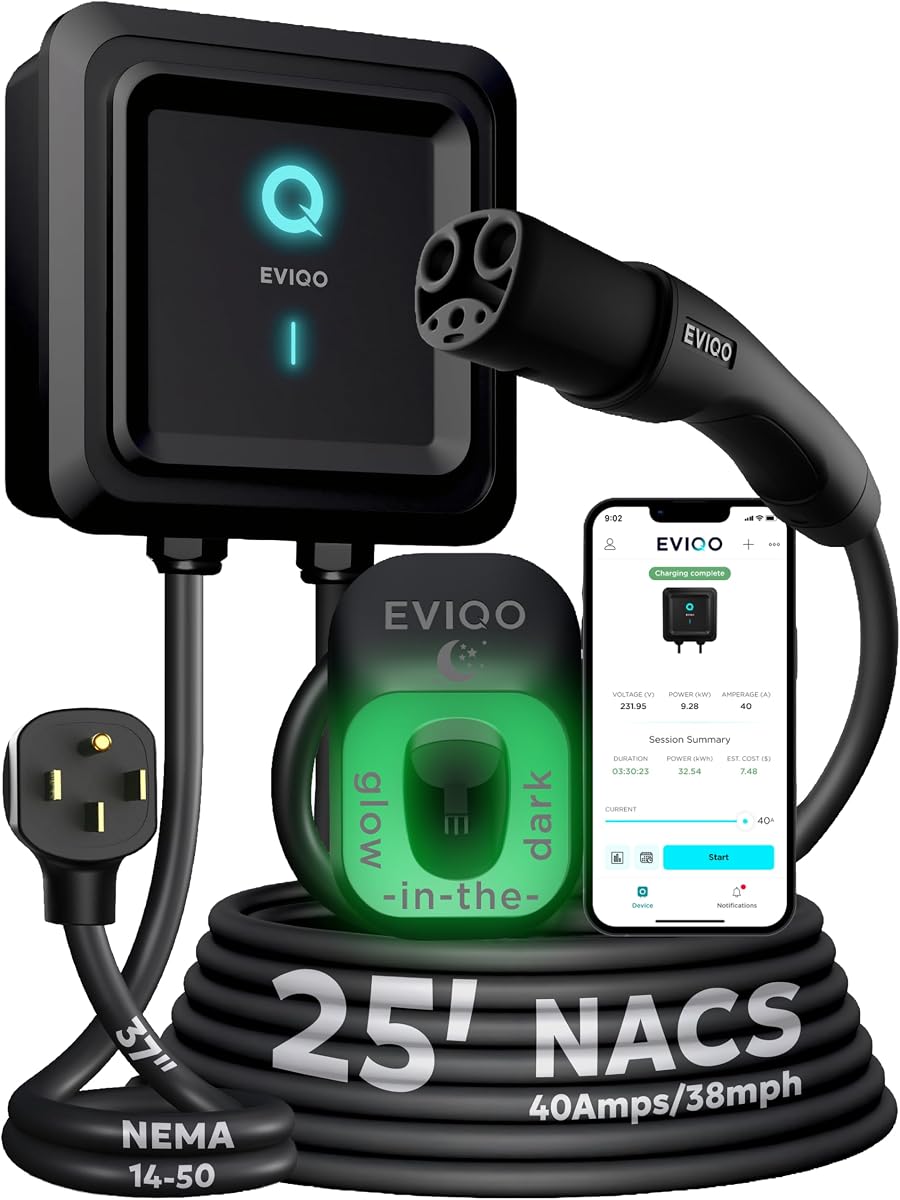
Offering both hardwired and plug-in options this unit delivers up to 48A for fast charging while maintaining universal compatibility with North American EVs.
We may earn a commission when you buy through this link, at no additional cost to you.
Users appreciate the NEMA 14-50 plug option for easier DIY installation along with UL and Energy Star certifications that guarantee safety and efficiency.
The 25ft cable reaches most parking spots and smart scheduling helps reduce energy costs by charging during off-peak utility rate periods.
EV owners who want flexibility in installation plus fast reliable charging with a strong safety profile should consider this versatile and well-rated model.
You can choose between hardwired for maximum speed or a NEMA plug for portability depending on your electrical setup preferences.
Multiple certifications including UL ensure the charger meets high safety standards for reliable home use without compromising security.
We may earn a commission when you buy through this link, at no additional cost to you.
This affordable charger offers solid performance with adjustable amperage up to 32A and a smart interface for monitoring usage and scheduling sessions.
We may earn a commission when you buy through this link, at no additional cost to you.
It includes a built-in touch screen and app controls for easy operation while the ETL listing guarantees it meets essential safety and quality standards.
The 25ft cable provides reasonable reach but the lower amperage may take longer to fully charge large battery EVs compared to 48A units.
Budget-conscious buyers who still want smart features and reliable safety certifications will find this unit an excellent entry point into Level 2 charging.
Priced lower than many competitors it delivers essential smart features and safety certifications without the premium cost of top brands.
The touch screen displays key data clearly so you can monitor voltage and amperage settings without needing the mobile app.
We may earn a commission when you buy through this link, at no additional cost to you.
ChargePoint brings its vast public network experience to home charging offering reliable performance and access to 274k stations across North America.
We may earn a commission when you buy through this link, at no additional cost to you.
This model supports adjustable amperage and works with any J1772 EV while the app helps you manage sessions and access data for efficiency.
Although priced higher than competitors its reputation for reliability and support makes it a solid choice for those invested in the ChargePoint ecosystem.
Drivers who value brand reputation and network integration will appreciate the consistent performance and support this charger provides for home use.
Access to thousands of ChargePoint stations makes it easy to find public charging when traveling beyond your home range.
ChargePoint offers strong customer support and a track record of reliable hardware so users can trust in long term performance.
We may earn a commission when you buy through this link, at no additional cost to you.
This hardwired unit pushes up to 50A for rapid charging and features a durable NEMA Type 4 housing for reliable outdoor performance in any weather.
We may earn a commission when you buy through this link, at no additional cost to you.
Bluetooth and WiFi connectivity provide flexible smart control while the cable stays flexible even in extreme cold temperatures for year round use.
The 3 year warranty adds peace of mind though you will need professional installation for the hardwired setup to ensure safe and proper operation.
EV owners seeking high speed charging with weatherproof durability and strong warranty support will find this model a powerful and reliable home option.
The 50A output enables faster charging times than standard 40A units ideal for larger batteries or tight schedules.
NEMA Type 4 rating and cold resistant cable ensure reliable operation whether you live in hot or freezing climates.
We may earn a commission when you buy through this link, at no additional cost to you.
This charger includes a unique overheat sensor that protects your vehicle by stopping charging if the connector gets too hot during sessions.
We may earn a commission when you buy through this link, at no additional cost to you.
It also supports local utility programs and offers power sharing so two chargers can run on one breaker without overloading your home system.
ETL and Energy Star certification ensure efficiency and safety while the 40A output balances speed with practical electrical requirements for most homes.
Users prioritizing safety features and utility incentives will appreciate the intelligent protections and savings potential this model offers for daily charging.
The built-in sensor monitors connector temperature in real time to prevent overheating and protect your EV from potential damage.
Eligibility for utility programs can lead to lower electricity costs or rebates making home charging even more economical.
We may earn a commission when you buy through this link, at no additional cost to you.
This charger features a built-in NACS connector for seamless Tesla charging without adapters while still supporting other EVs with a separate adapter.
We may earn a commission when you buy through this link, at no additional cost to you.
The plug includes a button to open Tesla charge ports and the smart app helps you schedule sessions and track energy usage easily.
IP66 weatherproofing protects it from rain and dust making it suitable for outdoor use though it requires a dedicated 50A circuit.
Tesla owners who want native charging compatibility plus smart scheduling and weather durability will find this unit a convenient and efficient choice.
The NACS connector fits Teslas directly so you avoid the hassle of carrying or storing a separate adapter for home charging.
The pop button on the plug easily opens Tesla charge ports enhancing usability and saving time during every session.
We may earn a commission when you buy through this link, at no additional cost to you.
This flagship model delivers up to 80A for ultrafast charging and uses AI in its app to optimize schedules and reduce your electricity bills.
We may earn a commission when you buy through this link, at no additional cost to you.
It is built for a ten year lifespan with dual network connectivity ensuring uptime and reliability for high demand households or small fleets.
While it requires a substantial electrical upgrade and carries a higher price the speed and advanced features make it a top choice for power users.
EV owners with large batteries or commercial needs who want the fastest charging and smartest app will find this model worth the investment.
The AI app analyzes usage to schedule charging during the cheapest off-peak times automatically lowering your monthly electricity costs.
With 80A output this charger is ready for future EVs with larger batteries ensuring your setup stays relevant for years.
We may earn a commission when you buy through this link, at no additional cost to you.
Another strong offering from Autel this hardwired unit delivers 50A for fast charging with robust weather resistance and smart app connectivity options.
We may earn a commission when you buy through this link, at no additional cost to you.
It features a cold resistant cable that stays flexible even in freezing temperatures making it ideal for outdoor use in colder climates.
The 3 year warranty and strong reliability reputation provide assurance though the hardwired design does require professional installation for safety.
Users wanting high speed charging with reliable build quality and smart features should consider this model for their home EV needs.
The cable remains flexible in extreme cold so you can charge reliably during winter without worrying about cracking or stiffness.
Bluetooth allows local control when WiFi fails while app features give you remote access for monitoring and scheduling.
We may earn a commission when you buy through this link, at no additional cost to you.
This model combines high 48A output with a NEMA 14-50 plug for fast charging without needing a hardwired setup in most cases.
We may earn a commission when you buy through this link, at no additional cost to you.
It uses smart app tools and a touch screen for control while ETL and FCC certifications ensure it meets key safety standards for home use.
A 60A circuit breaker is required for full 48A speed which may limit some older panels but the speed and convenience are valuable.
Budget savvy buyers who want near-maximum speed without hardwiring will find this unit an excellent balance of performance and ease of use.
The 48A output rivals hardwired units while the plug makes installation simpler and potentially cheaper for many homeowners.
Competitive pricing for 48A performance makes high speed charging accessible to more buyers without sacrificing key safety features.
We may earn a commission when you buy through this link, at no additional cost to you.
Selecting the right Ev DC Charger involves weighing several key factors to ensure compatibility, speed, and safety for your specific needs.
Charging speed is largely determined by amperage with higher values like 48A or 50A offering significantly faster charging than lower options like 32A. Consider your vehicle battery size and how quickly you need to recharge to decide on the right amperage for your setup.
Choose a charger with amperage that matches your electrical panel capacity and your daily driving needs to avoid overloading circuits or unnecessary upgrades.
Most EVs in North America use the J1772 connector but Teslas now often use the NACS standard so verify which type your vehicle requires. Some chargers offer both or include adapters while others may require a separate purchase.
Select a charger with a connector that matches your vehicle port directly to avoid buying extra adapters that complicate your home charging routine.
Hardwired chargers connect directly to your electrical panel for maximum power and reliability but require a licensed electrician to install. Plug-in models use a NEMA 14-50 outlet which can be easier to install but may limit your amperage options.
Weigh the cost of professional hardwire installation against the convenience and flexibility of a plug-in setup when deciding on your model.
Smart chargers connect via WiFi or Bluetooth to let you schedule charging during off-peak hours track energy usage and receive alerts through an app. These features can help save money on electricity bills and make charging more convenient.
Look for chargers with intuitive apps that offer scheduling and real-time monitoring to maximize savings and control over your charging routine.
Ensure your charger carries recognized safety certifications like UL ETL Energy Star or FCC which confirm it meets rigorous testing standards for home use. These ratings protect against electrical hazards and ensure product reliability.
Always verify the charger has current safety certifications from reputable independent labs to ensure safe and reliable operation for your home.
If you plan to install your charger outdoors it must have an appropriate IP rating like IP66 or NEMA 4 to protect against rain dust and extreme temperatures. These ratings ensure the charger continues to work in any weather condition.
Choose a weatherproof model with a high IP rating for outdoor installations to prevent damage from moisture and dust over time.
Cable length typically ranges from 18 to 25 feet so measure the distance from your electrical panel to your parking spot before buying. A longer cable provides more flexibility for parking and prevents the unit from being stretched tightly.
Select a cable length that comfortably reaches your vehicle without tension to ensure safe and easy daily charging sessions.
Reliable brands offer warranties ranging from one to five years and customer support to resolve issues quickly. A longer warranty period indicates confidence in product durability and can save you money on repairs.
Prioritize chargers with strong warranty terms and responsive customer support to protect your investment and ensure peace of mind.
Before starting your first charging session ensure the unit is properly installed by a licensed electrician and that your electrical panel can support the amperage rating of the charger.
Plug your vehicle into the charger securely and monitor the LED indicators or app for confirmation that charging has begun successfully without any error codes.
Regularly inspect the cable and connector for signs of wear or damage and keep the unit clean and free of debris to ensure safe and efficient performance over time.
Most hardwired chargers require a licensed electrician to install due to the electrical panel and wiring complexity. Plug-in models are simpler but still recommend professional installation to ensure safety and compliance with local codes.
Most chargers use the J1772 connector which works with all non-Tesla EVs in North America. Tesla owners may need an adapter or a charger specifically with a NACS connector unless their new models support the standard directly.
Installation costs vary by location and electrical complexity typically ranging from a few hundred to over a thousand dollars. Check if your utility offers rebates or incentives that can reduce the overall cost significantly.
Yes it is safe to leave your EV charging overnight with a certified Level 2 charger. The units are designed with safety features that stop charging once the battery is full to prevent overheating or damage.
Smart chargers need a WiFi connection to enable app control scheduling and energy tracking. However most will still function as standard chargers even if the internet connection is temporarily lost.
Level 1 uses standard 120V outlets and is much slower while Level 2 uses 240V to deliver up to nine times faster charging. Level 2 is recommended for most home users who want practical charging times.
We have reviewed ten top Ev DC Chargers offering options from budget friendly to ultrafast premium models that meet diverse EV charging needs and preferences.
Prioritize features like amperage safety certifications and smart app integration to find a charger that aligns with your electrical system and daily driving routine.
Always verify current pricing and availability before purchase since these values fluctuate frequently and your best choice may change as new models arrive on the market.